
Views: 0 Author: Site Editor Publish Time: 2025-11-27 Origin: Site


Selecting the right wall light for a living room is more than just picking something that looks nice. A good wall light fixture enhances comfort, supports layered lighting, reflects your décor style, and ultimately helps the room feel welcoming and well designed. In this post, I’ll walk you through how to choose the best wall lights for a living room—focusing on function, style, technical considerations and practical tips. At the end I’ll suggest a trusted manufacturer if you’d like to go deeper.
The living room is usually the heart of a home: a space for relaxing, socializing, reading, watching TV, and sometimes working. Because so many activities happen here, you’ll want a lighting scheme that’s versatile and layered. That means combining overhead lighting with table/floor lamps and wall lights. According to lighting design sources, wall lights play a key role in providing ambient lighting, filling in dark corners and creating mood, while freeing surfaces from lamps.
Good wall lights also serve as design elements—they’re not just functional but help anchor a wall visually, flank a sofa, highlight artwork, or create symmetry. In short, the right wall light can transform the living room from a purely utilitarian space to one with atmosphere and character.
When evaluating wall lights, here are the factors you should always check:
Decide what you want the light to accomplish. Options include:
Ambient lighting: soft general illumination to reduce contrast and make the space comfortable.
Accent lighting: highlighting features like artwork, architectural detail, or a texture wall.
Task lighting: for reading or working in the living room.
For example, if it’s beside a sofa for reading, you’ll want a swing arm or adjustable head. If it’s flanking a TV or above a sideboard, a decorative ambient fixture works better.
A wall light must fit the scale of the wall and furniture. A too small sconce on a large wall looks lost; a too large one can dominate undesirably. Recommended height is generally around 60 66 inches from floor to centre of the fixture, or about eye level when seated, but this can vary with ceiling height and furniture.
The finish must tie in with your décor: matte black, brushed brass, chrome, aged bronze, wood accent, glass shade. Also the form (minimalist bar, globe, vintage arm, industrial cage) should match the style of the room.
Choose warm white (2700 3000 K) for comfort in living rooms.
Dimmer compatibility is increasing in importance so you can adjust mood.
Integrated LED vs replaceable bulb: LED offers slim profiles and energy efficiency.
Up/down lighting, or diffused glow, impact how the light spreads and how shadows fall.
If it needs hard wiring, ensure junction boxes and wiring are appropriate. Plug in vs hard wired: some living rooms favour plug in for fewer walls to open, but hard wired gives cleaner look. Also consider export/supply chain specs if sourcing globally (voltage, certification, mounting plate).
Higher end models with premium materials and finishes cost more but may have more impact. Consider bulbs, cleaning, access to driver/LED module for servicing.
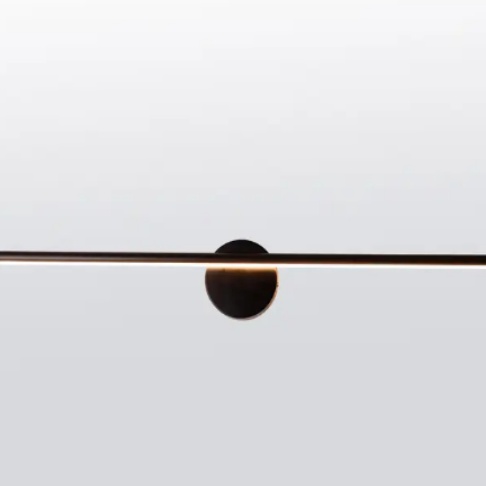
Selecting the right wall light for your living room goes beyond picking a fixture that looks nice. It’s about choosing one that serves the room's functional, aesthetic, and spatial needs. The lighting requirements of your living room will vary based on how the space is used, its layout, and overall design. Below, I’ll explore several common living room scenarios and explain how to select the ideal wall light for each situation.
If you want your wall lights to complement overhead lighting and help fill the space with a soft, ambient glow, you’ll need fixtures that can provide even, diffused illumination throughout the room.
How to Choose the Right Wall Light:
Fixture Type: Choose fixtures with diffused shades (such as frosted glass or fabric) to soften the light. Alternatively, up/down lighting (which directs light both upwards and downwards) will help reflect light off the walls and ceiling, creating a well-lit, welcoming atmosphere.
Placement: Position two sconces on opposite walls or install a single large fixture centered above a sofa or focal point. This creates balance and ensures even lighting throughout the room.
Light Quality: Use warm white, dimmable lights (around 2700–3000K) to keep the room cozy and adaptable to different moods. Dimmer switches allow flexibility, so you can adjust the light intensity depending on time of day or activity.
If your living room includes artwork, a textured wall, or any architectural detail you want to highlight, accent lighting can emphasize these features and create visual interest.
How to Choose the Right Wall Light:
Fixture Type: Look for wall washers or fixtures with narrow beams that will direct light exactly where you need it, such as on artwork or textured walls. Wall washers spread light evenly across a surface, while focused beams will illuminate specific areas or objects.
Adjustability: Choose wall lights with adjustable heads or swivel arms. This allows you to easily direct the light toward different parts of the wall, depending on the feature you want to highlight at any given time.
Style: Accent lighting is often used to create drama or highlight unique features in the room, so you can opt for more decorative fixtures. Since accent lighting is a part of the design, it can be bolder and more stylistic—like a sculptural sconce or an industrial-style fixture.
In a living room used for reading, hobbies, or working, task lighting is essential. It helps illuminate specific areas, making them comfortable for focused activities.
How to Choose the Right Wall Light:
Fixture Type: Opt for wall lights with adjustable arms or swivel heads, which allow you to direct the light exactly where you need it. These types of lights are perfect for providing focused, task-oriented illumination.
Mounting Height: Make sure the wall light is mounted at an appropriate height, ensuring the light falls directly on the area where you need it (like a book or desk). Ensure there is no glare or shadows.
Light Quality: Since you’re using the light for tasks, make sure it’s bright enough. However, avoid harsh, clinical lighting. Instead, go for a warm quality light that is comfortable for extended use without causing eye strain.
If your living room serves multiple purposes—TV watching, playing, socializing, or even working—it’s important to choose wall lights that can adapt to different moods and needs.
How to Choose the Right Wall Light:
Control Features: Choose wall lights that integrate with dimmer switches or smart lighting controls. This allows you to easily adjust the lighting for various activities, whether you’re watching TV or hosting guests.
Placement Flexibility: Since the room serves multiple purposes, make sure the wall lights are strategically placed to avoid interfering with furniture arrangements or the space’s overall flow.
Timeless Design: Opt for timeless finishes such as matte black, brushed nickel, or neutral tones. These styles are versatile and blend well with any décor, providing lasting appeal. Avoid overly trendy or niche designs unless they suit a specific, highly styled room.
Matte black, brushed brass/aged brass finishes dominate modern wall light collections. They offer contemporary looks without being trendy fads.
Natural materials (wood, stone) and textured glass are gaining traction for warmth and tactile quality.
Slim LED profiles afford minimal bulk and cleaner lines, which appeal in modern apartments.
Mixed materials (metal + wood or metal + glass) allow the fixtures to serve as décor statements rather than just lighting.
Placement and layering matter: wall lights should be integrated into the lighting plan, not just an afterthought.
Putting wall lights only on one side of a room; this can cause uneven light and imbalance.
Choosing fixtures that are too small or too large for the wall—always consider scale.
Ignoring the dimming/driver capability. A wall light that can’t dim will be less useful in a living room where mood changes.
Overshadowing or interfering with furniture layout—mounting must consider sofas, artwork, windows.
Selecting overly exotic finishes for a mass market living room—while unique, these can quickly date or limit resale value.
Since your role involves product operations and foreign trade, keep in mind:
Standardizing finishes (e.g., matte black, brushed brass) simplifies inventory and export.
LED integrated designs reduce bulb changes but may require driver access for servicing.
Plug in vs hard wired options: plug in is good for retrofit; hard wired is preferred for a clean look.
Certification and export: ensure fixtures meet destination market safety standards, wiring specs, packaging for freight.
Balanced product range: include budget options (farmhouse, plug in), mid tier (transitional), and premium (luxury stone/metal) to cover diverse living room markets.
Documentation: provide installation instructions, height guidance, dimming spec so buyers can install correctly.
When done right, wall lights become essential components in a living room’s lighting scheme—not just extra add ons. They contribute to ambience, visual style and function in a way that floor lamps or overhead lights alone cannot. When choosing wall lights for a living room, focus on purpose, scale, finish, technology and budget. A well selected wall light enhances every seating area, accent wall, reading nook or social zone.
If you are sourcing or investigating a supplier of wall lights with a strong range of styles, finishes and support for foreign trade logistics, consider reaching out to Zhongshan Maystar Lighting Co., Ltd. They can provide wall light models tailored for living rooms—covering everything from budget plug in sconces to premium designer finishes—and can assist with export questions, customization and specification documentation.
If you’d like, I can create a downloadable specification sheet or sourcing guide for living room wall lights (with finish/material options, typical price tiers and installation guidelines)—would that be helpful?


