
Views: 0 Author: Site Editor Publish Time: 2025-10-21 Origin: Site


Ever thought about transforming your space with modern lighting? LED pendant lights offer a stylish and energy-efficient solution. These lights not only enhance your decor but also save on energy costs. In this post, you'll learn what LED pendant lights are, their benefits, and how to install them step-by-step.
To install an LED pendant light properly, gather these essential tools:
● Screwdrivers: Both flathead and Phillips types for removing old fixtures and attaching new ones.
● Wire Strippers: To strip insulation from wires for secure connections.
● Volt Detector: To ensure power is off before touching any wires.
● Electric Drill (optional): Speeds up screw installation.
● Measuring Tape: For adjusting pendant height accurately.
● Ladder or Step Stool: To safely reach the ceiling.
● Needle-Nose Pliers: Helpful for twisting wires together.
● Wire Nuts: To secure wire connections safely.
Having these tools ready makes the process smoother and safer.
Safety is the top priority during installation. Follow these measures strictly:
● Turn Off Power: Always switch off the circuit breaker controlling the installation area. Confirm power is off using a volt detector.
● Test Your Volt Detector: Before use, test it on a known live outlet to ensure it works correctly.
● Use a Buddy System: Have someone assist you by holding the fixture during installation to prevent dropping or strain.
● Avoid Working Alone: Especially if you're unfamiliar with electrical work.
● Wear Safety Gear: Protective glasses and gloves reduce injury risks.
● Inspect Wiring: Check for frayed or damaged wires. Replace or call an electrician if you find any.
● Secure Support: Ensure the junction box is firmly attached to a ceiling beam to support the fixture’s weight safely.
Ignoring these precautions can lead to electric shock, fire hazards, or fixture damage.
Understanding basic wiring helps ensure a safe and successful installation:
● Three Main Wires: Hot Wire (usually black): Carries current from the power source.
○ Neutral Wire (usually white): Returns current back to the power source.
○ Ground Wire (bare copper or green): Provides a safety path for electricity in case of faults.
● Wire Matching: Connect wires by matching colors — black to black, white to white, and ground to ground.
● Wire Nuts: Twist wires together and secure with wire nuts to prevent loose connections.
● Junction Box: All wiring connections should be tucked safely inside the junction box to avoid exposure.
If unsure about wire colors or connections, always refer to the manufacturer’s instructions or consult a licensed electrician.
Before starting any installation, always turn off power at the circuit breaker controlling the room or area. This step is crucial to avoid electrical shock. After switching off, double-check using a volt detector to confirm no electricity flows through the wires. Even if the breaker is off, the volt detector ensures safety before touching any electrical components.
Begin by unscrewing the old fixture’s base from the ceiling. Sometimes, it's easier with a helper holding the fixture to prevent it from falling as you remove screws. Once the base is off, gently pull the fixture down to expose the wiring and junction box. If your old fixture has wire nuts connecting the wires, twist them off carefully. Disconnect the black (hot), white (neutral), and copper or green (ground) wires by untwisting or unscrewing wire nuts. Remove any mounting brackets or screws holding the old fixture in place.
Inspect the junction box to ensure it's securely fastened to a ceiling beam or support. The box must be stable enough to hold the weight of the new pendant light. If the box is loose or only attached to drywall, do not proceed. This situation requires professional help to install a proper support system. Also, check the wires inside the box for any damage or fraying. If you see worn wires, replace them or call an electrician. Lastly, ensure the junction box is the right size and type for your new LED pendant light.
Note: Always verify power is off using a volt detector before removing an old fixture to ensure your safety during installation.
Start by carefully unpacking your new LED pendant light. Lay out all parts on a clean surface to check everything is included and undamaged. Most kits have:
● The pendant light fixture itself
● A mounting bracket with screws
● Wire connectors (wire nuts)
● A decorative canopy or base cover
● The lightbulb (sometimes included)
Organize these parts so they’re easy to reach during installation. Keep the manufacturer's instructions handy. They often provide specific details about your model.
Next, attach the mounting bracket to the junction box in your ceiling. Use the screws that came with your fixture. Line up the bracket holes with the junction box holes, then screw it in tightly. The bracket must be secure because it supports the pendant's weight.
If the screws don't line up, you might need a universal mounting bracket, available at hardware stores. Always follow the manufacturer's guidance here.
Before wiring, set your pendant's hanging height. Most LED pendants have an adjustable cord or chain. Hold the fixture up to the ceiling and decide how low you want it to hang.
To adjust:
● Loosen the height adjustment screw inside the canopy or base
● Pull the cord up or down to the desired length
● Tighten the screw to lock the cord in place
If your pendant doesn't have an adjustable cord and it's too long, carefully cut the cord. Then strip about half an inch of insulation from each wire end to prepare for wiring.
For reference, hang pendants about 60–66 inches above the floor or 30 inches above countertops or tables. This height balances aesthetics and functionality.
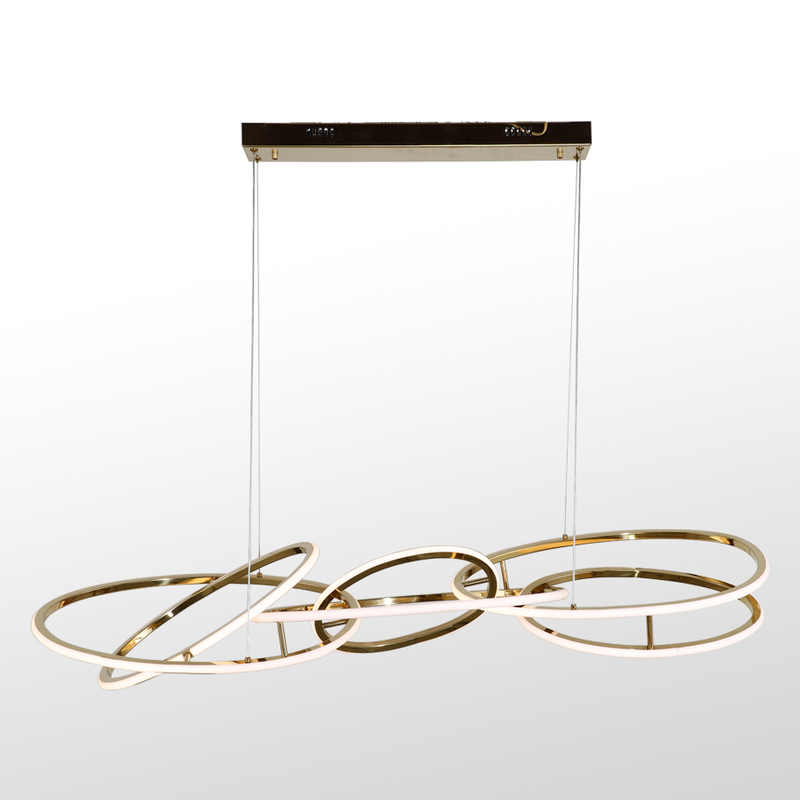
Start wiring by connecting the ground wires. The ground wire is usually bare copper or green. First, take the ground wire from the pendant light and the ground wire from the junction box. Twist their ends together tightly. Then, secure the connection with a wire nut to keep it safe. If your junction box lacks a ground wire (common in older homes), attach the pendant's ground wire to the green grounding screw on the mounting bracket instead. This step is crucial for safety, as it helps prevent electrical shocks.
Next, connect the neutral and hot wires. The neutral wire is typically white, and the hot wire is black. Match the wires from the pendant light to the wires in the junction box by color: white to white and black to black. Strip about half an inch of insulation off each wire end if needed. Twist the matching wires together, then secure them with wire nuts. Make sure the connections are tight and no bare wire is exposed outside the wire nuts. Proper wiring ensures your light will work safely and efficiently.
After connecting the wires, carefully tuck them into the junction box. Fold the wires neatly so they don’t get pinched or damaged when you attach the mounting bracket or canopy. Avoid forcing the wires in; they should fit comfortably. Check that the wire nuts remain secure and that no wires are loose. A well-organized junction box prevents electrical hazards and makes future maintenance easier. Once the wires are safely inside, you're ready to attach the pendant light fixture.
Once the wiring is securely tucked inside the junction box, it's time to attach the pendant light’s base or canopy to the mounting bracket. This step completes the fixture's connection to the ceiling. Align the base over the mounting bracket screws, then carefully screw it in place. Some fixtures require a quarter-turn to lock the base securely, while others use screws that you tighten with a screwdriver.
Make sure the base sits flush against the ceiling without any gaps. It shouldn’t wobble or feel loose when touched. A firmly attached base ensures the pendant light hangs safely and looks polished.
After the base is attached, screw in the lightbulb. Check the fixture’s specifications or sticker to confirm the recommended bulb type and maximum wattage. Using the correct bulb prevents overheating and potential damage.
LED bulbs are a great choice since they are energy-efficient and last longer. If your pendant light came with a bulb included, use that one unless you prefer a different style or brightness.
Turn the bulb clockwise gently until it is snug. Avoid overtightening, which can damage the bulb or socket.
Before finishing up, restore power at the circuit breaker. Turn on the light switch to test the fixture. The light should illuminate immediately without flickering or buzzing.
If it doesn’t work, turn the power off again and double-check your wiring connections. Make sure all wire nuts are tight and no wires are loose or damaged. Also, verify the lightbulb is properly screwed in.
If problems persist, consult the manufacturer's troubleshooting guide or call a licensed electrician.
If your LED pendant light doesn't turn on after installation, first ensure the power is restored at the circuit breaker. Then check the lightbulb—make sure it's screwed in properly and not burnt out. If the bulb is fine, turn off the power again and inspect your wire connections. Loose or incorrectly connected wires can prevent the light from working. Confirm black wires connect to black, white to white, and ground wires are properly secured.
Sometimes, the issue may be the switch or the circuit breaker itself. Test the switch by replacing it or try turning on another fixture on the same circuit. If problems persist, consult the manufacturer's troubleshooting guide or call a licensed electrician.
You might want to change the pendant's hanging height after installation for aesthetic or functional reasons. First, turn off power at the breaker for safety. Then, carefully unscrew the pendant’s base or canopy to access the cord or chain.
For cord-hung pendants, loosen the height adjustment screw inside the canopy, then pull the cord up or down to the desired length. Tighten the screw to lock it in place. If the cord is too long and not adjustable, you may need to cut it and strip the wires again before reconnecting.
For chain-hung pendants, use pliers or a chain opener to remove or add links. Stem-mounted pendants require adding or removing stem sections as per the manufacturer's instructions.
After adjusting, reattach the base securely and restore power to test the new height.
If the mounting bar is damaged or doesn't fit your junction box, replacing it is straightforward. First, turn off the power. Remove the pendant’s base and unscrew the old mounting bar from the junction box.
Purchase a compatible mounting bar from a hardware store or online. Universal mounting bars work well for most fixtures. Attach the new bar to the junction box using the screws provided.
Ensure the mounting bar is level and securely fastened. Reattach the pendant light fixture to the new bar, reconnect wires as needed, and restore power to test.
Proper installation of an LED pendant light involves gathering essential tools, following safety precautions, and understanding basic wiring. Regular maintenance ensures longevity, including checking and cleaning fixtures. Consider professional installation for complex setups, ensuring safety and efficiency. Maystar Lighting offers high-quality LED pendant lights, providing energy efficiency and modern design. Their products are designed to enhance any space, delivering exceptional value and style.
A: Essential tools include screwdrivers, wire strippers, a volt detector, measuring tape, a ladder, needle-nose pliers, and wire nuts for a smooth LED Pendant Light installation.
A: Turning off the power prevents electrical shock during LED Pendant Light installation, ensuring safety.
A: Adjust the LED Pendant Light height by loosening the height adjustment screw, then pulling the cord to the desired length before tightening.
A: Check the power, lightbulb, and wire connections if your LED Pendant Light doesn’t turn on. Consult an electrician if issues persist.
A: LED Pendant Lights are energy-efficient, long-lasting, and provide stylish lighting options for various spaces.


