
Views: 0 Author: Site Editor Publish Time: 2026-01-22 Origin: Site


Pendant lights are a stylish addition to any home, adding both functionality and elegance. Whether you're upgrading your kitchen or creating a cozy ambiance in your living room, installing a pendant light can make a big impact.
In this article, we will guide you through the process of installing a pendant light, covering everything from necessary tools to safety precautions. By the end, you'll be equipped with the knowledge to complete the installation confidently and safely.
Before starting the installation of your pendant light, it’s important to gather all necessary tools and materials to ensure the process goes smoothly. Having everything prepared will not only save time but also reduce the chances of running into issues during the installation. Below is a list of essential tools you'll need:
● Voltage Tester: A voltage tester is essential for confirming that the power is completely turned off in the area where you'll be working. This tool helps avoid electrical shock by ensuring no electricity is flowing through the wires.
● Screwdrivers: Both flathead and Phillips screwdrivers are required to remove old fixtures and install the new pendant light. These tools will help secure the mounting bracket to the ceiling and tighten the fixture into place.
● Wire Strippers: Wire strippers are necessary to remove the insulation from the ends of the electrical wires, allowing you to make proper connections.
● Wire Nuts: These are used to secure the electrical connections between the wires, ensuring they stay in place without causing short circuits.
● Step Ladder: A sturdy ladder or step stool is necessary to reach the ceiling and safely handle the installation, especially when mounting the pendant light and securing the fixture.
● Helper: While not a tool, having an extra pair of hands can be incredibly helpful when holding the fixture in place while making connections or securing the mounting bracket.
These tools ensure that your installation is both safe and efficient, reducing the chance of complications during the process.
Installing a pendant light involves working with electricity, so it's crucial to take safety precautions throughout the process. Ignoring these precautions can result in serious injury or even damage to your home. Here are the key safety measures you need to follow:
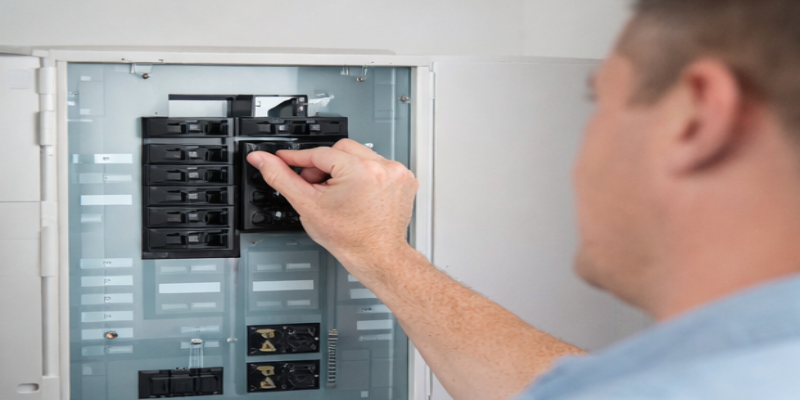
1. Turn Off the Circuit Breaker: Always start by turning off the power at the circuit breaker panel. Simply switching off the wall switch may not be sufficient, as the power could still be flowing through the fixture. It's critical to cut off power completely to avoid any risk of electrical shock.
2. Verify Power is Off: Even after turning off the breaker, use a non-contact voltage tester to double-check that the wires are not live. This extra step provides peace of mind and ensures that you’re working with no electrical current running through the wires.
3. Check Local Electrical Codes: Depending on where you live, there may be specific electrical codes that dictate how lighting fixtures should be installed. For example, some regions require that the junction box is securely mounted to a ceiling joist or support beam to ensure it can safely hold the weight of the pendant light. It's important to check these codes before beginning the installation to avoid potential violations or unsafe conditions.
4. Ensure Proper Junction Box Support: The junction box in the ceiling must be able to support the weight of your pendant light. A lightweight box, such as one mounted to drywall, may not be sufficient. Make sure the box is rated to handle the fixture's weight, and if needed, use additional supports or a fan brace for heavier fixtures.
When selecting the location for your pendant light, consider the following:
● Height and Spacing: Pendant lights should typically hang 30 to 36 inches above a surface, such as a kitchen island or dining table. Ensure that multiple lights are spaced 24 to 30 inches apart to maintain even lighting.
● Room Size: For larger rooms, multiple pendant lights may be needed. Ensure the spacing between lights is adequate to provide uniform lighting.
● Visual Alignment: For multiple pendant lights, make sure they are aligned symmetrically. You can use a tape measure or a laser level to assist with alignment.
Before installing the new pendant light, follow these steps to remove the old fixture:
1. Turn Off the Power: Start by turning off the circuit breaker that controls the room’s lighting. Double-check that the power is off using a voltage tester.
2. Disconnect Wires: After confirming the power is off, remove the old fixture by unscrewing it. Take note of how the wires are connected, as this will help when installing the new fixture.
3. Remove the Fixture: Gently remove the old fixture. If necessary, check that the junction box is securely attached to a ceiling beam for proper support.
To ensure your pendant light is securely mounted, follow these steps for attaching the mounting bracket:
● Use the Correct Screws and Anchors The screws and anchors should be appropriate for your ceiling type (drywall, plaster, or wood). For lightweight fixtures, drywall anchors may suffice, while heavier lights may need additional support, like a ceiling joist or reinforced junction box.
● Align and Secure the Bracket Before tightening, make sure the bracket is level and properly aligned with the junction box. Use a level to check that the bracket is straight. Then, secure it firmly with screws to prevent wobbling.
Proper height placement is key to the light’s functionality and appearance. Here's how to adjust the hanging height:
● Achieving the Right Look and Functionality For dining tables or kitchen islands, a pendant should typically hang 30 to 36 inches above the surface. This height ensures optimal task lighting without obstructing views.
● Height Guidelines for Various Spaces In general, maintain a minimum of 7 feet clearance from the floor. For higher ceilings, add 3 inches for every additional foot. If installing multiple pendants, ensure they are evenly spaced and adjusted to the same height for a uniform look.
Correctly wiring your pendant light is essential for both safety and functionality. Follow these steps to ensure the connections are made securely:
Wire Type | Connection | Purpose |
Black (Hot) | Connect the black wire from the pendant to the black wire in the junction box | Carries the electrical current |
White (Neutral) | Connect the white wire from the pendant to the white wire in the junction box | Completes the electrical circuit |
Ground Wire (Bare Copper/Green) | Connect to the ground screw or ground wire in the junction box | Provides safety by preventing electrical shock |
These are the basic connections required for safely installing a pendant light. Always ensure the connections are tightly secured using wire nuts to prevent loose connections that could cause electrical hazards.
Once the wires are connected, it’s important to ensure that all connections are properly insulated and secure to prevent short circuits and other safety issues.
● Use Wire Nuts and Electrical Tape: After twisting the wires together, secure them with wire nuts. This helps hold the connections in place and prevents any bare wire from coming into contact with other wires or parts of the junction box. For added security, you can wrap the connections with electrical tape to keep them insulated.
● Avoid Exposed Wires: Never leave any exposed copper wire after making the connections. Exposed wires can lead to short circuits, electrical shock, or even fires. Make sure all wire connections are well covered and safely tucked into the junction box.
Once the mounting bracket is securely installed, the next step is to attach the pendant light fixture. Follow these steps for a stable and secure installation:
1. Secure the Fixture’s Canopy to the Mounting Bracket The pendant light’s canopy (the ceiling plate) needs to be aligned with the mounting bracket. Gently lift the canopy and match the holes in the fixture with the screws or bolts in the bracket. Tighten the screws or nuts firmly to ensure the fixture is held securely in place. Be careful not to overtighten, as this can damage the fixture or cause stress on the ceiling.
2. Ensure the Fixture is Aligned and Flush with the Ceiling After securing the canopy, double-check that the pendant is flush against the ceiling. Use a level to confirm that the fixture is perfectly aligned, ensuring it hangs straight and evenly. This step is important for both aesthetic reasons and to prevent any wobbling or shifting over time.
With the fixture securely mounted, you can now install the light bulb and any decorative elements such as the shade. Follow these guidelines for proper installation:
1. Types of Bulbs Suitable for Pendant Lights Pendant lights commonly use E26 or E27 base bulbs, which come in a variety of types such as LED, incandescent, or compact fluorescent. Always refer to the manufacturer's recommendations for the maximum wattage to avoid overheating the fixture. LED bulbs are a popular choice due to their energy efficiency and long lifespan.
2. Properly Install and Secure Decorative Elements If your pendant light has a decorative shade or globe, ensure it is securely attached. For some fixtures, you may need to screw the shade onto a mounting base or attach it with a ring nut. Make sure the shade is aligned correctly and securely fastened to avoid any risk of it falling off once the fixture is in use. If the pendant light has multiple decorative elements, follow the manufacturer’s instructions to ensure all pieces are installed properly and safely.

Once your pendant light is securely mounted, it’s time to restore power and verify that everything is working correctly. Here’s how to do it safely:
1. Turning the Circuit Breaker Back On After double-checking that all connections are secure and the fixture is properly mounted, go back to your circuit breaker panel. Flip the breaker switch back to the "on" position. This will restore power to the light fixture and allow you to test the installation.
2. Testing the Light Switch With the power restored, go to the light switch and flip it to the "on" position. Your pendant light should now illuminate. If the light doesn’t turn on, it may be due to a loose connection or an issue with the bulb. Turn off the power again at the breaker, check all connections, and ensure the bulb is properly seated.
3. Troubleshooting Common Issues
a. Flickering: This is often caused by loose wire nuts or incompatible dimmer switches. Check the wiring connections and ensure that the wires are tightly secured.
b. Non-functioning Lights: If the light doesn’t turn on after checking the wiring, it may be helpful to replace the bulb or check for issues with the circuit breaker. Double-check that the fixture is wired properly before restoring power again.
Once the light is working, make any final adjustments to the fixture’s appearance and positioning:
1. Ensuring Alignment and Straightness Use a level to check that the pendant light is hanging straight. If necessary, gently adjust the fixture to ensure it’s aligned properly with the ceiling. This will help maintain a clean, symmetrical look and prevent any slanting.
2. Adjusting the Height If the pendant light is adjustable, you can modify the hanging height to suit your space and aesthetic preferences. Ensure that the light is positioned at an appropriate height for both functionality and style, typically 30 to 36 inches above a countertop or dining table.
In this article, we covered the essential steps for successfully installing a pendant light. From choosing the right location to securely wiring the fixture, we provided detailed instructions for a smooth installation process. If you're new to electrical work, don't hesitate to consult a professional.
For high-quality pendant lights, consider products from Zhongshan Maystar Lighting Co., Ltd. Their stylish and durable fixtures bring both functionality and beauty to your space, making installation worthwhile.
A: A pendant light is a suspended lighting fixture often used in workspaces, factories, or warehouses for targeted illumination. It is commonly installed above workstations, assembly lines, or dining areas to provide focused, efficient lighting.
A: The pendant light height should be adjusted based on the workspace or activity. For task lighting, it should hang 30-36 inches above surfaces. Ensure clearance and avoid obstruction for optimal lighting without glare.
A: Regular cleaning, checking for wiring integrity, and ensuring secure mounting are essential. Pendant lights should be inspected annually to prevent failure, especially in high-use environments where maintenance cycles are critical.
A: While initial installation costs may vary based on fixture type and location, pendant lights generally offer long lifespans and low operational costs, especially with energy-efficient bulbs like LEDs.


