
Views: 0 Author: Site Editor Publish Time: 2026-08-12 Origin: Site


Many homeowners hesitate before choosing sconces. They require more commitment than simple floor lamps. You might wonder if the installation effort truly justifies the actual payoff. The reality is quite clear. Relying solely on overhead lighting creates flat, uninviting spaces. Standard ceiling fixtures often cast harsh, unflattering shadows across your rooms. Conversely, floor lamps consume valuable square footage. They clutter tight corners and limit your furniture placement. Installing high-quality Wall Lights solves complex layered lighting challenges effortlessly. They serve as highly strategic spatial tools. You can manipulate spatial perception seamlessly. By drawing the eye upward, they make rooms feel larger and more dynamic. Upgrading your architectural aesthetics becomes much simpler when selected correctly. They provide necessary depth and dimension. Read on to discover how to maximize their potential in your space.
Strategic Layering: Wall lights eliminate "flat" lighting by providing essential mid-level ambient and task illumination.
Space Optimization: Wall-mounted fixtures free up floor and surface space, making them highly efficient for minimalist or compact layouts.
Targeted Functionality: Choosing between uplighting, downlighting, and wall washers dictates whether the fixture serves as task lighting, art accentuation, or spatial expansion.
Installation Reality: Hardwired fixtures require drywall and electrical planning, while plug-in options offer low-risk, scalable alternatives for immediate upgrades.
Style Matching: Modern wall lighting relies on material selection and profile (e.g., flush minimalist vs. articulated industrial) rather than fleeting trends.
Have you ever walked into a room and felt instantly confined? Poor lighting often causes this negative feeling. Sconces change this dynamic completely. They provide a hidden architectural advantage. Wall-washing and uplighting cast a gentle glow on vertical surfaces. This subtle effect tricks the eye easily. You suddenly perceive higher ceilings. Narrow rooms feel significantly wider. The light draws your attention upward and outward. It breaks up dark, heavy corners seamlessly. We often see cramped entryways transformed entirely using this simple technique.
Bulky floor lamps consume valuable corners. Table lamps crowd your nightstands heavily. Transitioning to wall-mounted fixtures reclaims this usable square footage. We call this zero-footprint lighting. Bedrooms and hallways benefit immensely from this shift. You gain more room for essential furniture. Compact apartments rely heavily on this space-saving strategy. It keeps your floors clear and visually clean. A clutter-free floor plan naturally makes your home feel more organized.
We highly recommend using directional fixtures for dedicated tasks. Bedside reading becomes much easier when light hits your book directly. Kitchen prep requires focused beams for ultimate safety. This targeted approach manages energy consumption effectively. You reduce your overall reliance on primary overhead grids. You only illuminate the exact zone you need. This saves electricity over time. It also prevents you from disturbing others in open-concept spaces.
Mid-level illumination creates profound psychological ambiance. Bright ceiling lights often cause severe eye strain late at night. Sconces establish a relaxed, transitional mood during evening hours. They signal your brain to wind down properly. This ambient glow mimics the setting sun. It prepares your body for restful sleep. We consider this a crucial element of healthy interior design. Controlling glare improves your daily comfort significantly.
Choosing the right fixture requires a clear strategy. We must map fixture types to specific spatial needs accurately. Let us explore the core categories available today.
Uplights bounce illumination directly off the ceiling. They provide a soft, ambient glow across the room. We highly recommend them for living rooms. They also work beautifully in formal dining areas. They eliminate harsh downward shadows entirely. This makes faces look softer and more flattering during social gatherings.
Downlights serve a completely different purpose. They offer direct illumination for specific, highly utilized areas. Bathroom vanities need this focused clarity for daily grooming. Reading nooks benefit from direct downward beams. Kitchen counters require precise visibility for culinary safety. A common mistake is using dim uplights for vanity mirrors. Always choose downward task lighting for detailed work.
Swing-arm fixtures provide maximum flexibility. You can position these articulated fixtures exactly where needed. We evaluate them best for bedside installations. Home offices also utilize their shifting focus incredibly well. You can pull the light closer during intense study sessions. You can push it away when using a bright computer monitor. This adaptability prevents screen glare.
Wall washers act as pure architectural accents. They flatten or highlight textured surfaces perfectly. Brick walls and wood paneling look stunning under grazing beams. You should evaluate them purely for architectural accenting. They do not replace your primary visibility sources. They belong in hallways or along feature walls.
Below is a quick reference guide matching fixture categories to their ideal locations.
Fixture Category | Primary Function | Ideal Room Placement |
|---|---|---|
Uplights | Ambient ceiling accentuation | Living rooms, Dining areas |
Downlights | Direct task illumination | Bathrooms, Kitchens |
Swing-Arm | Adjustable focal lighting | Bedrooms, Home offices |
Graze Lighting | Texture highlighting | Feature walls, Exteriors |
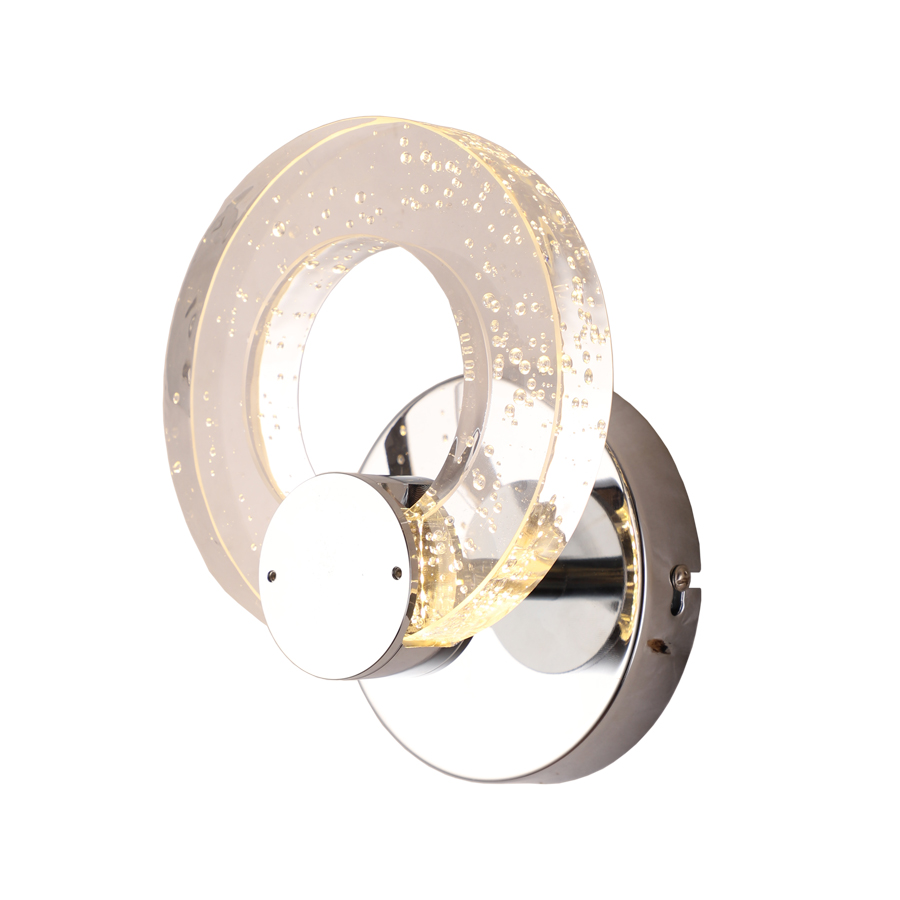
Many people debate whether sconces feel outdated. Let us address this common misconception directly. Some believe these fixtures belong only inside traditional or historic interiors. This is simply untrue. Well-chosen fixtures represent timeless architectural elements. They elevate a room far beyond fleeting decorative trends. Think of them as functional jewelry for your home.
Modern geometric designs complement contemporary interior rules seamlessly. Low-profile LED fixtures add zero visual clutter to your walls. They blend into minimalist spaces perfectly. You can achieve a sleek aesthetic easily. Many modern options sit completely flush against the drywall. They look like glowing architectural recesses rather than bulky add-ons.
Material signifiers play a massive role in modern lighting. You must select finishes based on longevity.
Brushed Brass: Adds undeniable warmth and subtle luxury to cool-toned rooms. It ages beautifully over time.
Matte Black: Provides sharp industrial contrast against crisp, light walls. It remains highly popular for modern farmhouses.
Plaster Finishes: Allow for seamless architectural blending. You can even paint them to match your wall color perfectly.
You must follow strict scale and proportion rules. Avoid design obsolescence easily by measuring carefully. Ensure the fixture size corresponds accurately to your available wall real estate. High ceilings demand taller, more commanding fixtures. Small corridors require compact, low-profile designs. Ignoring scale makes even the most expensive fixture look entirely out of place.
Installation requires careful planning and realistic expectations. We must weigh hardwired against plug-in options thoroughly.
Hardwired: This route requires dedicated junction boxes behind the drywall. You might need extensive drywall patching. Electrician labor adds to the project timeline. However, it yields a seamless, high-end result. There are no messy cords to hide.
Plug-in: These offer rapid deployment. They are extremely renter-friendly. You can mount them using simple anchors and screws. However, you must manage visible cords carefully. Cord covers can help disguise the wiring effectively.
ADA compliance matters heavily for commercial spaces. It also applies practically to narrow residential hallways. Fixtures must not protrude beyond specific regulatory limits. The standard rule caps projection at four inches from the wall. This ensures safe passage for everyone. It prevents people from bumping into sharp edges in the dark. Always check the projection depth before buying hallway sconces.
Placement precision dictates your overall success. Standard operational height rules apply in most rooms. You should install them 60 to 66 inches from the floor. Adjust this baseline based on your ceiling height. You must also consider horizontal spacing logic. Space them roughly six to eight feet apart in hallways. This prevents glare and avoids creating harsh "hot spots" along the corridor.
Finally, assess your wall condition and weight load carefully. Structural realities matter immensely during installation. Drywall handles different weights than solid masonry. Check these details before committing to heavy, extended swing-arm fixtures. A heavy brass fixture requires secure anchoring directly into a wooden stud. Failing to do so causes drywall damage.
You must evaluate lumen output before purchasing. Ambient fixtures typically require 400 to 800 lumens. Ensure the fixture supports modern LED dimmers. This compatibility allows you to transition smoothly from daytime task lighting to evening ambiance. Dimming extends the lifespan of your bulbs significantly. A common mistake is buying non-dimmable LEDs, which causes flickering on dimmer switches.
Color temperature dictates the mood of your room. We measure this using the Kelvin scale. You should align the bulb's warmth with the room's primary function. We strongly recommend 2700K to 3000K for comfortable living spaces. This range produces a warm, inviting glow. Home offices might require 3500K for better daytime concentration. Avoid 5000K indoors unless you are illuminating a garage workspace.
Damp and wet zones demand strict evaluation criteria. You must check Ingress Protection (IP) ratings carefully. Bathroom vanities require IP44 or higher for safe daily use against steam. Outdoor patio sconces face harsher elements. They usually demand IP65 ratings to withstand heavy rain and dust intrusion. Ignoring IP ratings leads to electrical shorts and premature fixture failure.
Smart homes require unified lighting control systems. Check compatibility with smart relays before finalizing your purchase. Many modern fixtures integrate seamlessly via Zigbee, Z-Wave, or Matter protocols. This integration lets you control your layered lighting through voice commands. You can set automated evening schedules easily. It adds immense convenience to your daily routine.
We can draw several distinct conclusions about integrating sconces into your home. They dramatically improve your daily living experience and architectural value.
Verdict: They are not just a stylistic choice. They remain a fundamental architectural necessity for achieving layered, professional-grade lighting.
They eliminate harsh overhead shadows effectively.
They reclaim valuable floor space in cramped layouts.
Final Recommendation: We advise you to audit your current "dark zones" tonight. Measure your available wall space carefully. Then, select between a hardwired commitment or a quick plug-in test.
Call-to-Action: Browse specific collections categorized by room or aesthetic today. Consult a lighting design specialist if you need complex wiring assistance. Elevate your home’s ambiance immediately.
A: The standard baseline is 60 to 66 inches from the floor. You should adjust this based on your ceiling height and eye level. In rooms with exceptionally high ceilings, placing them slightly higher maintains visual proportion. Always ensure the exposed bulb avoids direct eye contact to prevent glare.
A: No, they rarely illuminate an entire room alone. You must understand the difference between primary overhead lighting and ambient layering. They should supplement your main light sources, not replace them. They fill in dark corners and add mid-level brightness perfectly.
A: Yes, you certainly can. Plug-in sconces offer a highly viable alternative. They simply mount to the drywall and plug into a standard outlet. You can also explore rechargeable LED puck-light workarounds. These battery-operated lights stick inside hardwired fixtures, offering completely wire-free illumination.
A: We recommend the standard 6 to 8-foot rule for most hallways. You must adjust this distance based on the specific lumen output of your chosen fixtures. Brighter lights require wider spacing. Keep them roughly 6 inches away from door frames and window casings.


