
Views: 0 Author: Site Editor Publish Time: 2026-01-23 Origin: Site


Changing a pendant light might seem like a simple task, but it involves more than just replacing a bulb. Whether you’re updating the décor or fixing a broken fixture, it’s important to ensure safety and have the right tools. In this article, we will discuss the steps for safely replacing a pendant light, what tools you’ll need, and tips for a successful installation.
Before you start replacing your pendant light, it's essential to take the necessary precautions and gather the right tools to ensure a safe and efficient installation process. This section will walk you through the crucial first steps to prepare for the replacement.
One of the most important steps when replacing a pendant light is ensuring your safety by cutting off the power supply to the fixture. Always begin by turning off the circuit breaker that controls the room’s lighting. This step helps to prevent electrical shock, which can occur if the wires are live while you’re working on the fixture. Simply turning off the wall switch is not enough, as it may not fully disconnect power from the fixture.
● Why it's crucial: Electricity can still be flowing to the fixture even if the wall switch is off. By turning off the circuit breaker, you ensure that no current is running through the wires.
● How to verify power is off: Use a non-contact voltage tester to check the wires. This simple tool will alert you if the wires are still carrying electricity, providing an extra layer of safety before you start working.
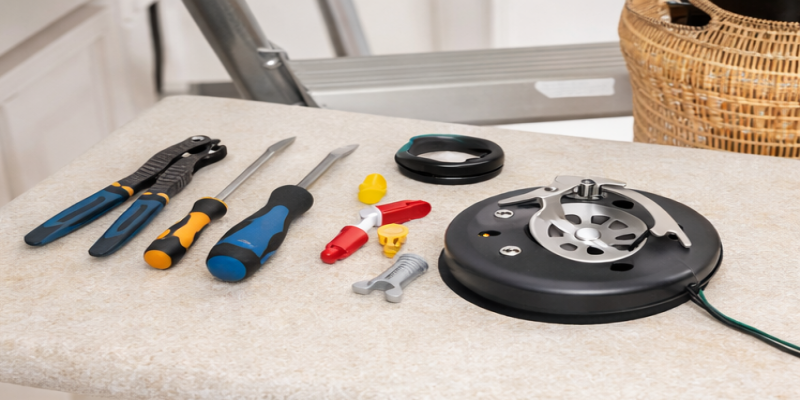
Having the right tools and materials is essential to complete the pendant light replacement smoothly. Below is a list of the tools and materials you'll need for the job:
Tools/Materials | Purpose |
Screwdrivers (Phillips & Flathead) | Used to unscrew the fixture and mount the new one |
Wire Strippers | Strips insulation from wires for proper connection |
Wire Connectors (Wire Nuts) | Secures wire connections between fixture and ceiling wiring |
Electrical Tape | Adds extra security to wire connections |
Ladder/Step Stool | Provides safe access to the fixture, especially at height |
New Pendant Light Fixture | The fixture to be installed, compatible with your space |
Light Bulb(s) | Choose a bulb that fits the new fixture and meets wattage requirements |
Why having the right tools is important:
● Efficiency: Using the appropriate tools helps speed up the installation process and prevents damage to the fixture or wiring.
● Safety: Proper tools ensure that each step, from wire connections to fixture mounting, is done securely, reducing the risk of electrical hazards or faulty installations.
Before installing a new pendant light, it's essential to carefully remove the old fixture. Follow these steps to ensure a smooth and safe removal process.
To begin, you need to detach the canopy from the ceiling and disconnect the wiring. Here’s how to do it:
1. Unscrew the Canopy
The canopy is typically secured with screws or a twist-on mechanism. Use a screwdriver to remove the screws or twist the canopy to loosen it. Be careful when lowering the fixture to prevent any damage.
2. Disconnect the Wiring
Once the canopy is removed, you can disconnect the wires. Most pendant lights have three main wires:
a. Black (Hot): Connects to the live wire.
b. White (Neutral): Connects to the neutral wire.
c. Ground (Copper or Green): Connects to the ground wire.
Use a screwdriver or pliers to unscrew the wire connectors and gently separate the wires. To avoid confusion when reconnecting the new light, it’s helpful to mark the wires with a piece of electrical tape.
During this process, proper handling of the old fixture is essential to avoid damage or accidents.
● Use a Helper: If the pendant light is heavy or difficult to manage, having an assistant can be very helpful. They can steady the fixture while you work on the wiring or mounting bracket.
● Secure the Fixture: As you unscrew the fixture, ensure it’s properly supported to avoid it falling. You can use a piece of string or temporary wire to secure it while disconnecting the wiring.
● Safety Precautions: Always wear safety gloves to protect your hands from sharp edges or accidental exposure to electrical components. Having a work light nearby can help illuminate the area if needed.
After successfully removing the old pendant light, the next step is to install the new fixture. This section provides a clear guide on how to properly mount the bracket, connect the wiring, and adjust the pendant light to ensure it is safely and securely installed.
The first step in installing a new pendant light is securing the mounting bracket to the ceiling junction box. This bracket serves as the foundation for the new light fixture. Follow these steps for a secure installation:
Step | Action |
Step 1 | Align and attach the mounting bracket to the ceiling junction box. |
Step 2 | Tighten the screws, ensuring the bracket is securely in place but not over-tightened. |
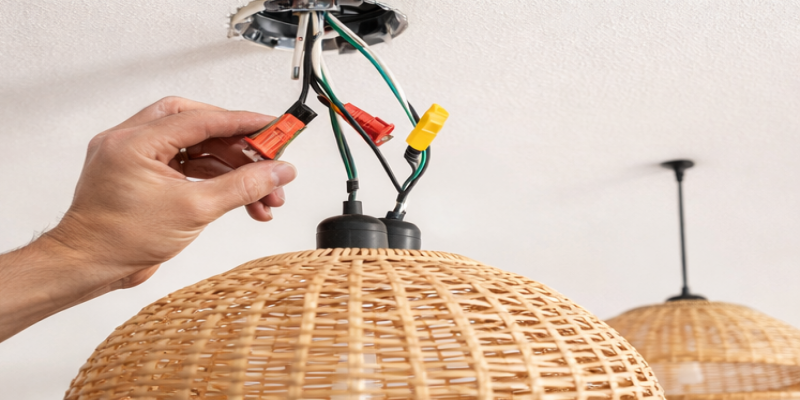
Next, you’ll connect the wiring from the pendant light to the existing ceiling wires. Properly connecting the wires is essential for safety and functionality. Here’s how to do it:
1. Identify the Wires: Most pendant lights will have three wires—black (hot), white (neutral), and green or bare copper (ground).
2. Connect the Wires: Using wire nuts, connect the black wire from the light fixture to the black (hot) wire from the ceiling. Do the same for the white (neutral) wires. For the ground wire, connect it to the green or bare copper wire in the ceiling box.
3. Secure Connections: Twist each wire securely using the wire nuts. For added security, you can wrap electrical tape around the wire nuts to ensure a firm connection.
After the wiring is connected, you can adjust the pendant light to the desired height. Most pendant lights have adjustable cords or chains, which allow you to modify the hanging length. Here’s how to ensure it is positioned correctly:
1. Set the Height: Depending on the room and the purpose of the light, adjust the height of the pendant light to achieve the desired effect. A common rule of thumb is to hang the pendant 30 to 36 inches above a dining table or kitchen island.
2. Secure the Fixture: Once the height is set, tighten any adjustment mechanisms to lock the pendant in place. Ensure the fixture is securely mounted and will not shift over time.
Once the new pendant light fixture is securely mounted and wired, the final steps are to install the bulb and shade, restore power, and test the fixture. This section will guide you through these last steps to ensure your pendant light is working correctly and safely.
Now that the pendant light fixture is installed, it's time to add the finishing touches. Installing the bulb and light shade is the final step in the physical setup.
1. Install the Bulb: Carefully screw in the bulb, ensuring that it fits securely into the socket. Be sure to use the correct type and wattage as specified for the fixture. Overloading the fixture with a higher-wattage bulb can cause overheating and damage to the fixture.
2. Attach the Shade: If your pendant light has a shade, carefully place it onto the light fixture. Depending on the design, the shade may be secured with screws or simply rest on the fixture. Make sure it is stable and aligned properly before moving on to the next step.
After installing the bulb and shade, the next step is to restore power and check the functionality of your new pendant light. This ensures everything is connected properly and working as expected.
Troubleshooting Step | Action |
Recheck the Wire Connections | Ensure all wires (black, white, ground) are securely connected. |
Inspect the Bulb | Make sure the bulb is properly installed and compatible. |
Check the Circuit Breaker | Confirm that the breaker for the room is turned on. |
When selecting a new pendant light for your space, several factors need to be considered to ensure the fixture not only enhances the room's aesthetic but also meets the functional requirements. This section will guide you through the key considerations: style and design, size, and functionality.
The style and design of your pendant light should complement the overall décor of the room. Choosing the right pendant light can elevate your space, adding both beauty and function.
1. Match with Room Décor: Consider the existing style of the room before selecting a pendant light. Whether you have a modern, industrial, vintage, or minimalist theme, there are pendant light designs to match each style. For example, sleek, metallic pendant lights work well in contemporary spaces, while a handwoven rattan pendant might suit a more rustic or boho-inspired room.
2. Material Selection: The material of the pendant light plays a significant role in both its aesthetics and durability. Popular materials include:
Material | Style Suitability | Advantages |
Glass | Modern, Transitional | Sleek, clear, blends with most styles |
Metal | Industrial, Contemporary | Durable, various finishes available |
Wood | Rustic, Farmhouse, Boho | Warm, natural, eco-friendly |
3. Finish Choices: The finish of the pendant light’s metal or glass components can further refine the overall look. Some options include:
a. Brushed Nickel: A popular finish that works well with both modern and classic décor.
b. Bronze: Ideal for more traditional or vintage-inspired interiors.
c. Chrome: Great for a high-shine, contemporary appearance.
Choosing the correct size and ensuring the pendant light meets your functional needs is just as important as its design.
1. Room Size and Lighting Needs: The size of your pendant light should correspond to the size of the room and the area it’s meant to illuminate. Larger rooms or areas such as kitchens and dining rooms may require bigger fixtures or multiple pendants. A general rule of thumb is to ensure the pendant light is proportional to the furniture or surface area it is hanging over (e.g., a dining table or kitchen island).
2. Height Adjustability: Many pendant lights come with adjustable cords or chains, allowing you to customize the height of the light. This feature is particularly useful in spaces with varying ceiling heights, enabling you to tailor the light's placement for optimal illumination. Adjustable height is also beneficial in rooms where the pendant light may need to serve multiple functions, such as a workspace or dining area.
Changing a pendant light is a straightforward task when you follow the right steps and use the proper tools. By turning off power, securing the fixture, and adjusting the height, you can safely install a new light. In the lighting industry, many manufacturers, such as Zhongshan Maystar Lighting Co., Ltd., offer pendant lights made from eco-friendly materials and modern designs. These lights provide both aesthetic appeal and functionality, making them a great choice for your space.
A: Pendant lights provide focused illumination for work areas while maintaining an energy-efficient profile. Their adjustable height makes them suitable for varying workspace needs.
A: Pendant lights can improve lighting precision, reducing eye strain and increasing productivity in industrial environments. Proper placement ensures consistent lighting coverage.
A: Consider durability, light output, energy efficiency, and the fixture's compatibility with the workspace's layout. The right pendant light improves both functionality and safety.
A: While pendant lights have an initial cost, their long lifespan and energy efficiency make them a cost-effective solution in the long run, offering better value compared to other lighting options.
A: Yes, pendant lights typically require minimal maintenance. Regular cleaning and bulb replacement ensure consistent performance, contributing to long-term operational efficiency.


