
Views: 0 Author: Site Editor Publish Time: 2026-01-28 Origin: Site


Rattan pendant lights bring warmth and elegance to any space, but they require proper care to stay looking their best. Over time, dust and stains can diminish their natural beauty.
In this article, we’ll explore effective ways to clean and maintain your rattan pendant light. You’ll learn how to keep it pristine and functional for years to come.
Rattan is a natural material derived from climbing palm plants, primarily found in tropical regions. It is highly flexible, lightweight, and strong, which makes it an ideal choice for interior designs, especially for pendant light fixtures. Its woven texture contributes a unique charm and rustic elegance to any space, which is why rattan pendant lights have gained popularity. Rattan’s strength allows it to be shaped into various intricate patterns, ensuring durability even in detailed designs like those seen in handwoven rattan pendant lights.
Rattan is particularly valued for its versatility in design. It can be molded into different shapes, such as bell-shaped, cylindrical, or moon-shaped, making it suitable for both rustic and modern interior styles. This flexibility in design, combined with rattan's durability, makes it a highly preferred material for creating aesthetically pleasing, functional light fixtures.
Rattan offers several key benefits that make it ideal for pendant light fixtures:
Benefit | Description |
Strength | Rattan has high tensile strength, which ensures durability even in intricate woven patterns. This makes it ideal for long-lasting pendant light fixtures. |
Flexibility | The material's flexibility allows it to be molded into various shapes and designs, making it suitable for custom pendant light fixtures in a range of styles. |
Eco-Friendliness | Rattan is a renewable, biodegradable material, which makes it an environmentally conscious choice for lighting fixtures and home decor. |
These qualities, combined with rattan’s ability to adapt to various design styles, make it a popular material for pendant lights that are both aesthetically appealing and durable.
Despite its many advantages, rattan requires proper care to maintain its appearance and functionality.
Challenge | Impact | Maintenance Tip |
Moisture Sensitivity | Excess moisture can cause rattan to warp, weaken, or develop mold. | Avoid placing pendant lights in high-humidity areas. Ensure proper ventilation and humidity control. |
Sunlight Exposure | Direct sunlight can cause rattan to fade, dry out, and become brittle. | Place rattan pendant lights away from direct sunlight or use window coverings to reduce UV exposure. |
Regular dusting is crucial for maintaining the shine and appearance of your rattan pendant light. Over time, dust and debris can accumulate on the surface of the rattan, dulling its natural sheen and making it appear less vibrant. To prevent this, it's important to incorporate dusting into your routine cleaning. Using the right tools is essential for effective dusting while preserving the integrity of the light fixture.
Tool | Purpose | Recommendation |
Microfiber cloth | Gently wipes down the surface without causing scratches | Ideal for frequent cleaning of the surface |
Feather duster | Sweeps over the surface to remove light dust | Perfect for hard-to-reach areas, such as high ceilings or intricate designs |
Vacuum with brush attachment | Cleans tight spaces and detailed weavings | Use with low suction to prevent damage to the rattan fibers |
Dust your pendant light at least once a week to prevent dirt from building up. For fixtures in high-traffic areas or rooms with poor air circulation, you may need to dust more frequently.
For rattan pendant lights with detailed weaving, vacuuming can be particularly effective in reaching intricate areas and corners that are difficult to clean with a cloth or duster alone. The delicate weavings of rattan often trap dust and dirt, and a vacuum cleaner with a brush attachment is an excellent tool for extracting debris without damaging the material.
Tip | Description |
Low suction setting | Use the lowest suction setting to avoid damaging the rattan fibers |
Brush nozzle attachment | Helps to gently sweep over the surface without friction |
Slow, sweeping motion | Ensures debris is removed without disturbing the weave |
Vacuuming should be done every few months as part of a deeper cleaning process. This method will help maintain the intricate design of the rattan while keeping the light fixture clean and well-maintained.
To keep your rattan pendant light looking its best, deep cleaning is essential every few months. A gentle cleaning solution is perfect for this task, as it cleans effectively without harming the delicate rattan fibers. To prepare the solution, mix a small amount of mild dish soap with lukewarm water. This combination is strong enough to lift dirt while being soft on the natural material.
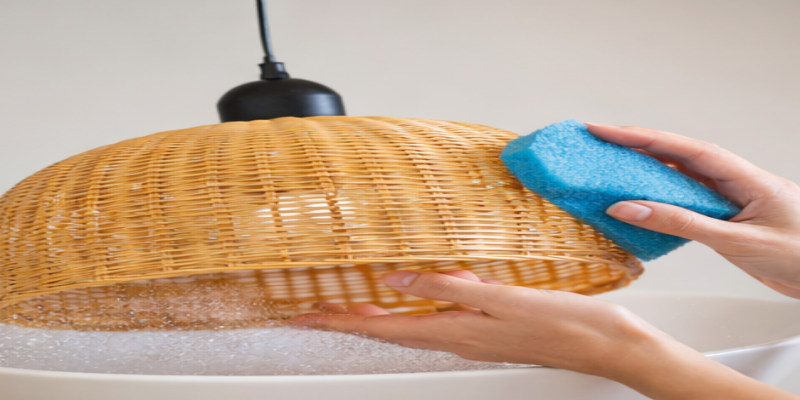
Steps to deep clean your rattan pendant light:
1. Prepare the cleaning solution: In a bowl, mix a few drops of mild dish soap or liquid detergent with warm water.
2. Soak the cloth: Dip a soft cloth or sponge into the solution, making sure it is damp but not soaking wet. Excess water can damage the rattan.
3. Gently scrub the surface: Use the damp cloth to gently wipe the surface of the rattan. Avoid pressing too hard or soaking the material. Work with the grain to avoid damaging the delicate fibers.
4. Wipe away residue: After cleaning, use a clean, damp cloth to wipe off any soap residue. This will ensure that the rattan doesn’t retain any moisture or cleaning chemicals.
Sometimes, stains on your rattan pendant light may require immediate attention. Addressing stains promptly prevents them from setting into the fibers, which can cause permanent damage or discoloration. For effective stain removal, it's best to use a damp cloth with a mild cleaning solution. Blot the stain gently without scrubbing, as this can harm the rattan.
Steps for spot cleaning:
1. Act quickly: As soon as you notice a stain, try to clean it immediately before it sets in.
2. Prepare the solution: Mix a small amount of dish soap with warm water or use a vinegar-water solution for natural stain removal.
3. Dampen a cloth: Lightly dampen a cloth or sponge with the solution, ensuring it is not overly wet.
4. Blot the stain: Gently blot the affected area, working from the outer edge toward the center to prevent the stain from spreading.
5. Dry the area: After cleaning, use a dry towel to gently blot the area and remove any excess moisture.
For more stubborn stains, a soft toothbrush can be used in a gentle, circular motion to work into tight spaces. Always test this method on a hidden area of the rattan first to ensure it won’t damage the material.
After cleaning your rattan pendant light, ensuring that it is thoroughly dried is vital to avoid potential damage. Rattan, being a natural material, is particularly sensitive to moisture. Excess water can seep into the fibers, causing them to weaken, warp, or even develop mold. If the rattan isn't dried properly, this moisture can lead to discoloration, the growth of mold or mildew, and a decline in the overall durability of the fixture.
Issue | Cause | Consequence |
Excess Moisture | Water trapped in rattan fibers after cleaning | Weakening, warping, and potential mold growth in the rattan |
Improper Drying | Not allowing proper airflow or using heat to speed up the process | Discoloration, brittleness, and reduced structural integrity |
The best method for drying your rattan pendant light is air drying in a well-ventilated area. Avoid using any direct heat sources like hairdryers or heat lamps, as they can cause the rattan to dry too quickly, potentially leading to cracking or brittleness. The goal is to allow the fixture to dry naturally, preserving the flexibility and strength of the rattan fibers.
Drying Tip | Action | Why It’s Important |
Air drying in a ventilated area | Place the light in a room with good airflow or near an open window | Ensures even drying and prevents moisture buildup |
Avoid direct heat | Do not use hairdryers, heaters, or direct sunlight | Prevents rapid drying that could crack or distort the rattan |
Blot excess moisture | Gently blot the light with a dry towel | Reduces moisture before air drying, speeding up the process |
While air drying is the most effective method, it’s equally important to avoid placing your rattan pendant light in environments where it could be exposed to excessive heat or direct sunlight during the drying process. Both heat and sunlight can damage the rattan fibers, causing them to become brittle and more prone to breaking over time.
Exposure Type | Effect on Rattan | Best Practice |
Heat Sources | Can cause rapid drying, leading to cracks and brittleness | Keep the light away from heaters, radiators, or other heat sources |
Direct Sunlight | Can fade the color and weaken the rattan | Dry the fixture in a shaded, cool area away from sunlight |
Rattan is a natural material that requires proper care to maintain its strength and appearance over time. One of the biggest challenges in preserving rattan pendant lights is protecting them from moisture and direct sunlight, both of which can cause significant damage.
● Moisture: Rattan is highly susceptible to moisture. Excessive humidity can cause the fibers to swell, warp, and lose their natural structure. In extreme cases, prolonged exposure to moisture can lead to mold growth, which can permanently damage the fixture.
● Sunlight: Direct exposure to sunlight can cause rattan to fade, dry out, and become brittle. The UV rays can strip the natural oils from the material, weakening it over time and causing the colors to dull.
To protect your rattan pendant light, it's crucial to place it in areas with controlled environmental conditions. Avoid installing the light in high-humidity spaces such as bathrooms or near windows where direct sunlight can reach it. Instead, choose locations with stable temperature and humidity levels to preserve the material's integrity.
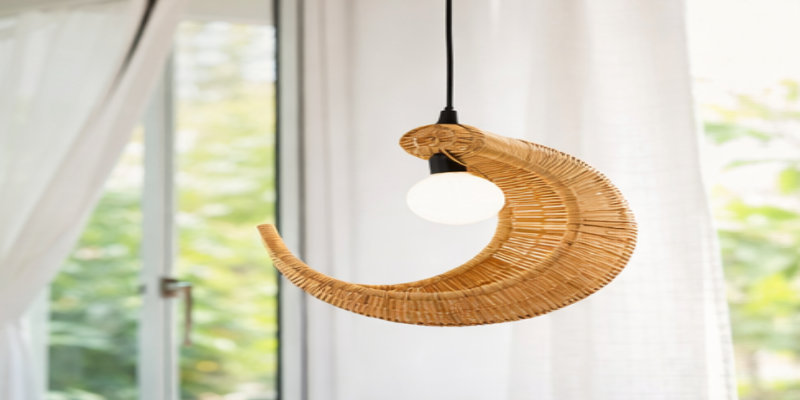
Rattan, like all natural materials, can become dry and brittle over time if not properly conditioned. Periodic oiling or waxing helps maintain its softness and flexibility, preventing it from becoming stiff and prone to breaking.
● Oiling: Applying a small amount of oil, such as boiled linseed oil, helps nourish the rattan fibers and keep them supple. Be sure to apply the oil sparingly, using a clean cloth to spread it evenly and wiping off any excess. This prevents the rattan from becoming overly saturated, which could lead to moisture retention and subsequent damage.
● Waxing: Furniture wax is another option for conditioning rattan. It not only enhances the material’s natural shine but also provides a protective barrier against dirt and moisture. However, over-waxing can make the surface sticky, so it’s important to apply the wax in thin layers and buff it properly.
Cleaning and maintaining your rattan pendant light is essential to preserve its charm and longevity. Regular dusting, deep cleaning, and conditioning can keep it looking pristine. By following these simple steps, you ensure your fixture stays in top condition. Zhongshan Maystar Lighting Co., Ltd. offers high-quality rattan pendant lights that combine aesthetic appeal with durability, making them a lasting addition to your home.
A: Regular cleaning of rattan pendant lights ensures their longevity and functionality. Dust and debris buildup can affect light quality and cause wear, reducing operational efficiency.
A: Moisture exposure can warp or weaken rattan pendant lights, potentially compromising their structure and functionality in humid environments. Proper drying and moisture protection are crucial.
A: Maintenance costs include periodic cleaning, conditioning, and protection from sunlight and moisture. Regular upkeep can reduce the need for costly repairs or replacements.
A: Rattan pendant lights are best suited for controlled environments. High humidity can lead to mold and weakening of the material. Proper placement and moisture management are essential.
A: Rattan pendant lights are durable but require careful maintenance to prevent moisture or sunlight damage. They are ideal for spaces where a natural aesthetic is desired, but not for harsh environments.


