
Views: 0 Author: Site Editor Publish Time: 2025-10-17 Origin: Site


Ever admired the elegance of LED pendant lights? They transform spaces with style and ambiance. Converting a regular light fixture into a pendant light can enhance your room's aesthetics and functionality. In this post, you'll learn the benefits of this conversion and a step-by-step guide to achieve it effortlessly.
Converting a regular light fixture into a pendant light requires the right tools and materials to ensure a smooth, safe installation. Before you start, gather everything you'll need.
● Pendant Light Kit: Choose one that fits your style and matches your ceiling’s electrical box. Kits usually include a mounting bracket, cord or chain, socket, and canopy.
● Screwdrivers: Both flathead and Phillips types for removing old fixtures and securing new ones.
● Wire Connectors (Wire Nuts): To safely join electrical wires.
● Electrical Tape: For extra insulation on wire connections.
● Voltage Tester: Essential to verify power is off before touching wires.
● Step Ladder: To reach ceiling fixtures comfortably and safely.
● Measuring Tape: To measure and adjust pendant height precisely.
● Pliers: Helpful for bending or twisting wires if needed.
When selecting a pendant light kit, consider:
● Compatibility: Make sure the kit fits your ceiling box and existing wiring.
● Style and Size: Pick a design that complements your room décor and scale. For example, a small pendant suits a cozy nook, while larger ones work well over kitchen islands.
● Adjustability: Look for kits with adjustable cords or chains to customize hanging height.
● Bulb Type: Some kits come with sockets for standard bulbs (E26/E27), while others may require specialty bulbs. LED bulbs are recommended for safety and energy efficiency.
Safety is crucial when working with electrical fixtures:
● Always turn off power at the circuit breaker before starting.
● Use a voltage tester to confirm no current flows to the fixture.
● Wear safety glasses to protect your eyes from dust or debris.
● Ensure your ladder is stable and placed on level ground.
● If unsure about any step, especially wiring, consider hiring a licensed electrician.
By preparing properly and using the right tools, you’ll make the conversion process safer and more efficient.
Before you start converting your regular light fixture into a pendant light, preparation is key for safety and efficiency. Let's walk through the essential steps to get ready.
First, always turn off power at the circuit breaker controlling the light fixture. This step is crucial to avoid electric shock. Don't just rely on the wall switch being off; the breaker ensures no electricity flows to the fixture. After switching off the breaker, double-check the power is off using a voltage tester. This tool confirms no current runs through the wires, giving you peace of mind before you touch anything.
Clear the space beneath the fixture to create a safe, open work zone. Remove furniture or obstacles that could get in the way or cause accidents. Use a sturdy step ladder positioned on level ground for easy access to the ceiling. Make sure the ladder is stable and tall enough so you can comfortably reach the fixture without overextending. Good lighting in the room also helps you see clearly while working.
A voltage tester is a must-have safety tool. After turning off the breaker, test the wires at the fixture to confirm no voltage is present. Touch the tester probes to the black (live) and white (neutral) wires separately. If the tester lights up or beeps, the power is still on. If it stays off, you're safe to proceed. Always test multiple points to be sure. This step prevents accidents and ensures you don’t accidentally handle live wires.
Tip: Always verify power is off at the fixture using a voltage tester even after switching off the breaker to avoid electric shock during installation.
Removing the existing light fixture is a critical step when converting a regular fixture into a pendant light. Doing this safely and correctly ensures a smooth transition to your new pendant.
1. Confirm Power is Off: Before touching anything, double-check the power is off using your voltage tester. This step prevents electric shocks.
2. Remove Fixture Cover or Shade: Most fixtures have a cover or shade held by screws or clips. Carefully remove these to expose the mounting hardware.
3. Unscrew the Fixture: Use the appropriate screwdriver to remove screws or bolts securing the fixture to the ceiling bracket. Support the fixture with one hand while loosening screws to prevent it from falling.
4. Lower the Fixture Gently: Once free, lower the fixture slowly to expose the wiring behind it.
● Observe Wire Colors: Typically, black or red is live (hot), white is neutral, and green or bare copper is ground.
● Note Wire Connections: Take a photo or make a note of how wires are connected. This helps when installing the new pendant.
● Remove Wire Nuts: Unscrew wire connectors carefully to separate fixture wires from ceiling wires.
● Disconnect Wires: Gently pull apart the wires, ensuring none are damaged or frayed.
● Inspect the Fixture: Check for any damage or wear. If you plan to reuse or donate it, clean it thoroughly.
● Wrap Wires: Coil the fixture's wires neatly and secure them with electrical tape or twist ties to avoid tangling.
● Store Safely: Place the old fixture in a safe spot to prevent damage or loss of parts.
After removing the old fixture and preparing the wiring, it's time to install your new pendant light kit. This step is key to ensuring your pendant hangs securely and works safely.
Start by attaching the mounting bracket included in your pendant light kit to the ceiling electrical box. This bracket acts as the base support for your pendant. Use the screws provided to fasten it tightly. Make sure the bracket sits flush against the ceiling and doesn't wiggle. If the bracket feels loose, double-check the screws and the condition of the electrical box itself before proceeding.
Next, connect the wires from your pendant light to the corresponding wires in the ceiling box. Usually, the black (or red) wire is the live (hot) wire, the white wire is neutral, and the green or bare copper wire is ground.
● Match the black wire from the pendant to the black wire in the ceiling.
● Connect the white wire from the pendant to the white ceiling wire.
● Attach the green or bare copper ground wire from the pendant to the grounding screw on the bracket or the ground wire in the ceiling.
Use wire connectors (wire nuts) to twist the wires together securely. Wrap electrical tape around the connectors for extra insulation and safety. After connecting, gently push the wires back into the ceiling box to keep everything neat and avoid pinching.
Once wiring is complete, attach the pendant's canopy to the mounting bracket. The canopy covers the electrical box and wiring for a clean look. Use the screws provided to secure it tightly against the ceiling.
Make sure your pendant light hangs straight and stable. If your kit has an adjustable cord or chain, leave some slack for the next step where you’ll set the height. Check that the fixture doesn’t wobble or feel loose; tighten screws if necessary.
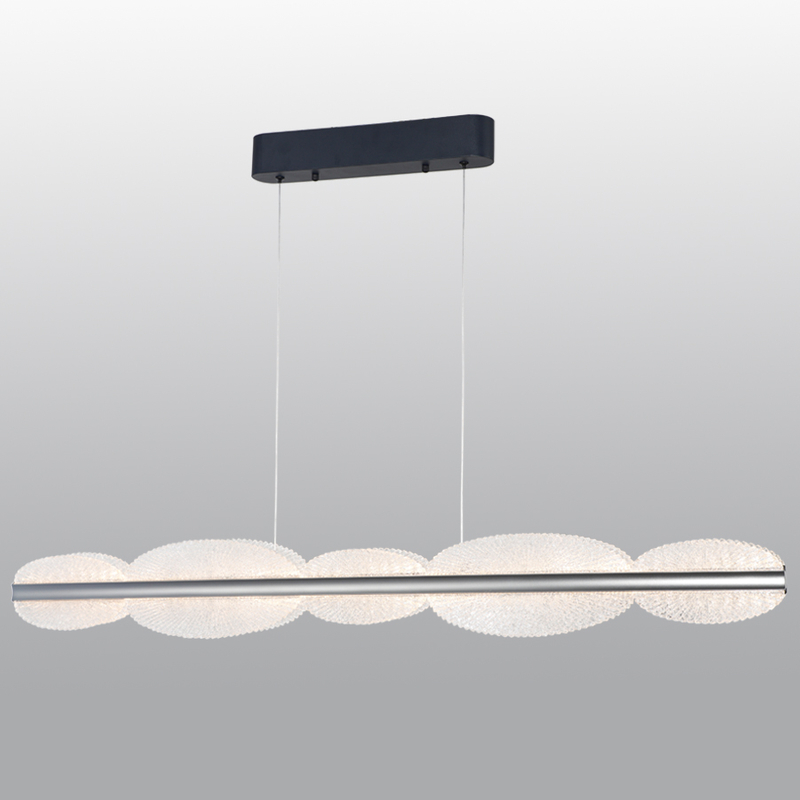
After installing your pendant light, adjusting its height is crucial for both function and style. The right height ensures the light illuminates the space effectively without getting in the way.
Start by measuring the distance from the ceiling to the surface below where the pendant will hang. For example, if it’s over a dining table or kitchen island, the pendant should typically hang about 28 to 34 inches above the surface. This range provides good lighting while keeping the pendant out of your line of sight.
If the pendant is in an open area where people walk underneath, aim for a height of at least 7 feet from the floor to the bottom of the fixture. This prevents head bumps and keeps the room feeling spacious.
Use a measuring tape to check these distances carefully before making any adjustments. It’s easier to adjust the cord or chain while the fixture is still loose.
Most pendant light kits come with an adjustable cord or chain. To shorten the length, gently pull the excess cord through the canopy, then secure it inside by tightening the compression nut. If your pendant uses a chain, remove or add links as needed to get the perfect drop.
Be careful not to kink or damage the cord when adjusting. If the cord is too long, coil the extra neatly inside the ceiling canopy. For chains, use pliers to open and close links securely.
Once you’ve set the desired height, tighten all screws or nuts holding the cord or chain in place. This keeps the fixture from slipping over time.
After adjusting the height, check that the pendant hangs straight and stable. A crooked or swinging fixture can be annoying and unsafe.
Make sure the mounting bracket and canopy are firmly attached to the ceiling. If the fixture uses a chain, ensure the links are properly closed and not twisted.
If your pendant has a heavy shade or decorative elements, verify that the cord or chain can support the weight without stretching or loosening.
Finally, give the pendant a gentle shake to confirm it stays steady. If it moves excessively, tighten the mounting hardware or adjust the cord tension.
After installing your pendant light and adjusting its height, it’s time to ensure everything works perfectly and looks great. This final step helps you enjoy your new lighting without any issues.
Go back to your circuit breaker and turn the power back on for the fixture. Then, switch on the light to check if it illuminates as expected. If the light turns on and stays steady, you’ve done a great job wiring and installing the pendant. If it doesn't light up, double-check the switch position and the breaker. If still no light, safely turn off the power again before inspecting your wire connections. Loose or reversed wires are common causes of issues.
● Light Does Not Turn On: Confirm power is restored. Check all wire connections are secure and correctly matched (black to black, white to white, ground to ground). Use a voltage tester to ensure current flows to the fixture.
● Flickering Light: This often means a loose wire or poor connection. Turn off power, tighten wire nuts, and wrap connections with electrical tape.
● Pendant Wobbles or Hangs Unevenly: Ensure mounting bracket screws are tight. Adjust the cord or chain length evenly on both sides. Check that the canopy is flush against the ceiling.
● Bulb Not Fitting or Overheating: Use the correct bulb size and type recommended for your pendant. LED bulbs are best for cooler operation and energy saving.
If problems persist or you feel unsure, it's wise to consult a licensed electrician for safety and peace of mind.
Now that the pendant light works, fine-tune its look:
● Adjust the pendant height slightly if the light feels too low or high.
● Straighten the fixture so it hangs perfectly vertical.
● Tuck any visible wires neatly inside the canopy.
● Clean the pendant shade or glass for a polished finish.
● Consider adding dimmer switches or smart bulbs for flexible lighting moods.
These small tweaks enhance your pendant's appearance and functionality, making your space shine beautifully.
Converting a regular light fixture into a pendant light involves gathering tools, ensuring safety, and following precise steps. Pendant lights enhance home decor with their stylish design and adjustable height features. They provide focused lighting, adding both functionality and aesthetic appeal to any room. If unsure about the installation process, it's advisable to seek professional help. For quality pendant light kits, consider Maystar Lighting for their innovative designs and reliable products, ensuring a seamless and stylish lighting transformation.
A: An LED Pendant Light is a stylish lighting fixture that hangs from the ceiling, using LED bulbs for energy efficiency and modern illumination.
A: To convert a regular fixture into an LED Pendant Light, gather necessary tools, turn off power, remove the old fixture, and install a pendant light kit following safety guidelines.
A: LED Pendant Lights offer energy efficiency, longer lifespan, and modern aesthetics, making them a cost-effective and stylish choice for any room.
A: If your LED Pendant Light flickers, check for loose wire connections, ensure the bulb is properly seated, and verify the power supply is stable.
A: The cost of converting to an LED Pendant Light depends on the kit price, which varies by style and features, and any additional installation services needed.


