
Views: 0 Author: Site Editor Publish Time: 2025-11-24 Origin: Site


Installing a wall light is a simple and effective way to enhance the ambiance and functionality of any room. Whether you're upgrading the lighting in your living room, adding task lighting to a workspace, or simply want to create a warm, inviting atmosphere in your home, wall lights offer both aesthetic appeal and practical benefits. The installation process is not overly complicated, but it does require some basic electrical knowledge and tools to ensure the task is done safely and correctly.
Before we jump into the installation process, it's important to understand the advantages of using wall lights. Wall lights come in various styles and designs, allowing you to incorporate them into different spaces with ease. Here are a few reasons why wall lights are a great addition to any home:
Space-Saving: Wall lights don't take up floor or table space, making them ideal for smaller rooms or areas where space is limited.
Variety of Styles: Available in a wide range of styles, wall lights can complement any décor, from modern to traditional, or industrial to vintage.
Task Lighting: Wall-mounted lights are often used as task lighting in kitchens, reading corners, or workspaces, offering focused light where you need it most.
Ambient Lighting: Wall lights can provide ambient lighting, enhancing the overall mood of a room. They can be used in the living room or dining area to create a cozy, intimate environment.
Now that we know why wall lights are such a great choice, let’s take a look at how to install one.
Before you begin installing a wall light, it's essential to gather all the necessary tools and materials. Having the right equipment will ensure the installation process goes smoothly, safely, and efficiently. Here’s a comprehensive list of the items you’ll need for a typical wall light installation:
Wall light fixture (sconce, spotlight, etc.)
Screwdriver (both flathead and Phillips)
Wire stripper (for removing insulation from wires)
Drill with appropriate drill bits (for drilling holes into your wall)
Tape measure (to accurately position the light fixture)
Pencil or marker (for marking drill points on the wall)
Voltage tester (to check if the wires are live and ensure safety)
Wire nuts or electrical connectors (for securely connecting the wires)
Mounting bracket (if included with the light fixture)
Electrical tape (for securing wire connections)
Safety goggles and gloves (recommended for protecting your eyes and hands)
These tools are essential for a clean and safe installation. A voltage tester will help ensure that you’re not working with live wires, preventing potential electrical hazards. The drill and screwdrivers will be needed to secure the mounting bracket and light fixture, while the wire stripper and electrical connectors will assist in connecting the wires correctly. If you’re unsure about any of the tools or the wiring process, it’s always advisable to consult an electrician to avoid any safety risks.
Safety should always be your first priority when working with electrical fixtures. Before starting any installation, ensure the power to the room is completely turned off at the circuit breaker. This will prevent any accidents or electrical shocks while you’re working with the wires.
After switching off the power, use a voltage tester to double-check that the wires in the installation area are not live. This ensures that you are not working with any active electricity during the process.
Once the power is off, use a tape measure to determine the ideal height and placement for your wall light. Most people install wall lights at eye level or just above, but the exact placement depends on the style and purpose of the light. If you're installing a pair of sconces, you may want to keep them symmetrical and evenly spaced.
Use a pencil or marker to mark the positions where you will drill the holes for the mounting bracket and wiring. Be sure to keep the light’s orientation in mind—whether it’s positioned to face upward or downward—so the light will be directed as intended.
Once you've marked the spot, it’s time to drill. Using a drill and the appropriate drill bit for your wall material (e.g., wood, drywall, or concrete), create holes at the marked points. If you’re drilling into drywall, make sure to use wall anchors to secure the mounting bracket. For brick or concrete walls, use a masonry bit and wall anchors designed for those materials.
Make sure the holes are aligned and level so that the light fixture will be properly positioned on the wall.
Most wall lights come with a mounting bracket that attaches to the wall. This bracket will hold the light fixture in place. Using a screwdriver, attach the mounting bracket to the wall with screws, ensuring it is level and secure.
If your wall light fixture doesn’t come with a mounting bracket, you may need to use screws or bolts to attach the base of the fixture directly to the wall. Be sure to follow the manufacturer’s instructions for secure installation.
Now that the mounting bracket is in place, it’s time to wire the light fixture. Depending on the model, you may have to connect two or three wires—usually black (live), white (neutral), and green or copper (ground).
Connect the ground wire: Start by attaching the ground wire from the light fixture to the ground screw or wire in the wall box. This is essential for safety.
Connect the live (hot) wire: The black wire from the light fixture should be connected to the black wire from the wall box. Use wire nuts or electrical connectors to twist the wires together securely.
Connect the neutral wire: Similarly, attach the white wire from the light fixture to the white wire in the wall box.
Once all the wires are connected, use electrical tape to secure the wire nuts in place and ensure they won’t come loose over time. Make sure that all wire connections are tight and insulated properly to avoid electrical faults.
After completing the wiring, it’s time to attach the light fixture to the mounting bracket. Depending on the design of the fixture, it might simply slide into place, or you may need to secure it with screws. Double-check that the fixture is firmly attached and aligned according to your design.
If your fixture includes a glass cover or shade, attach it carefully as well. Be cautious when handling delicate components to prevent breakage.
With everything securely in place, turn the power back on at the circuit breaker. Flip the switch to test the wall light and ensure it’s working properly. If the light doesn’t turn on, double-check the connections and wiring to make sure everything is hooked up correctly.
If you're not comfortable troubleshooting electrical connections, don’t hesitate to call a professional to inspect your work. It's always better to be safe than sorry when dealing with electrical systems.
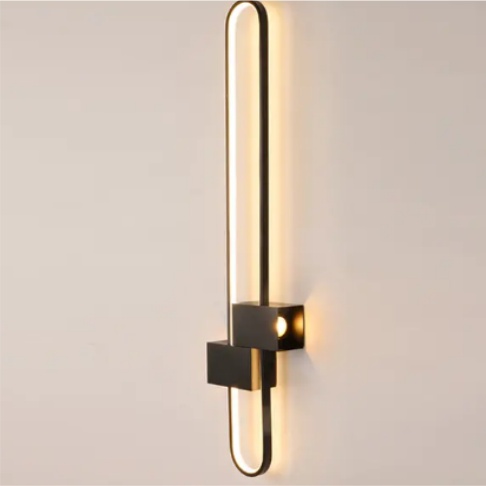
While installing a wall light is a fairly straightforward process, there are a few tips that can give your project a more polished, professional look:
Use a level: When marking your holes and installing the fixture, always use a level to ensure your light is perfectly straight.
Hide excess wiring: Use cable clips or concealed wiring channels to keep any exposed wiring neatly tucked away for a cleaner finish.
Opt for dimmable features: If the wall light has a dimmer switch, it allows you to adjust the lighting to suit different moods or tasks. This can be a great option for bedrooms, living rooms, or spaces where the lighting needs to be flexible.
Choose the right bulbs: Consider using energy-efficient LED bulbs that last longer and consume less power. They also emit less heat, which is beneficial for safety and comfort.
Installing a wall light can be a simple and rewarding DIY project that significantly enhances the lighting and atmosphere of any room. By following these steps—turning off the power, marking the position, drilling holes, wiring correctly, and attaching the fixture—you can install a functional and stylish wall light that will serve as both a practical and aesthetic addition to your home or business.
When looking for high-quality wall lights and lighting solutions, consider reaching out to companies that specialize in providing reliable and stylish products. Zhongshan Maystar Lighting Co., Ltd. is one such company that offers a wide range of wall lights designed to fit various spaces and styles. Whether you need a single fixture or are outfitting an entire building, their products are known for their durability and aesthetic appeal. Feel free to contact them for more information on how to incorporate the perfect lighting into your workspace or home.


