
Views: 0 Author: Site Editor Publish Time: 2026-08-06 Origin: Site


Modern interior architecture relies heavily on thoughtful lighting design. Designers use these fixtures not just for simple illumination. They define spatial boundaries and establish clear visual hierarchy. Recessed lighting offers excellent ambient coverage across large rooms. Traditional chandeliers provide classic anchoring in formal dining areas. However, Pendant Lighting bridges a critical gap in modern aesthetics. It balances targeted task performance beautifully against bold structural design. You might be evaluating fixture upgrades for a home renovation right now. Perhaps you are finalizing project specifications for a commercial client. Understanding functional leverage is absolutely critical for project success. You must also navigate installation constraints and spatial impacts carefully. This specialized knowledge helps you make a confident purchasing decision. We will explore key sizing rules, material choices, and spacing guidelines. You will learn how to overcome open-concept challenges easily. You can transform flat rooms into highly functional, beautifully zoned environments.
Pendant lighting maximizes functional surface area by utilizing vertical space, replacing the need for floor or table lamps.
The primary value lies in task-to-ambient versatility, offering targeted lumen output exactly where needed (e.g., kitchen islands, reading nooks).
Successful implementation requires strict adherence to scale formulas, drop-height standards, and ceiling load compatibility.
Selecting the right fixture depends on balancing material opacity (which dictates light dispersion) with the room’s existing architectural finishes.
Open floor plans often suffer from a severe lack of definition. You might rely solely on flush mounts or recessed cans. This washes out the environment completely. It creates flat, featureless zones devoid of character. People struggle to identify where one living space ends and another begins.
Dropped fixtures solve this architectural problem elegantly. They act as strong visual anchors in expansive rooms. They subtly divide open concepts into distinct functional areas. You can separate the dining space from the living room effortlessly. You achieve this visual separation without requiring physical barriers or walls. They tell the brain how to interpret the space.
A successful lighting layout meets specific criteria. Designers aim for optimal functionality and aesthetic balance. You should evaluate your room against these key success metrics:
Shadow-Free Workspaces: You achieve bright, even illumination across critical task areas.
Reduced Ceiling Clutter: You minimize the overwhelming "swiss cheese" look of too many recessed cans.
Vertical Engagement: You establish clear focal points. These focal points draw the eye upward and make ceilings feel taller.
Unobstructed Sightlines: You maintain clear visibility across the room for easy social interaction.
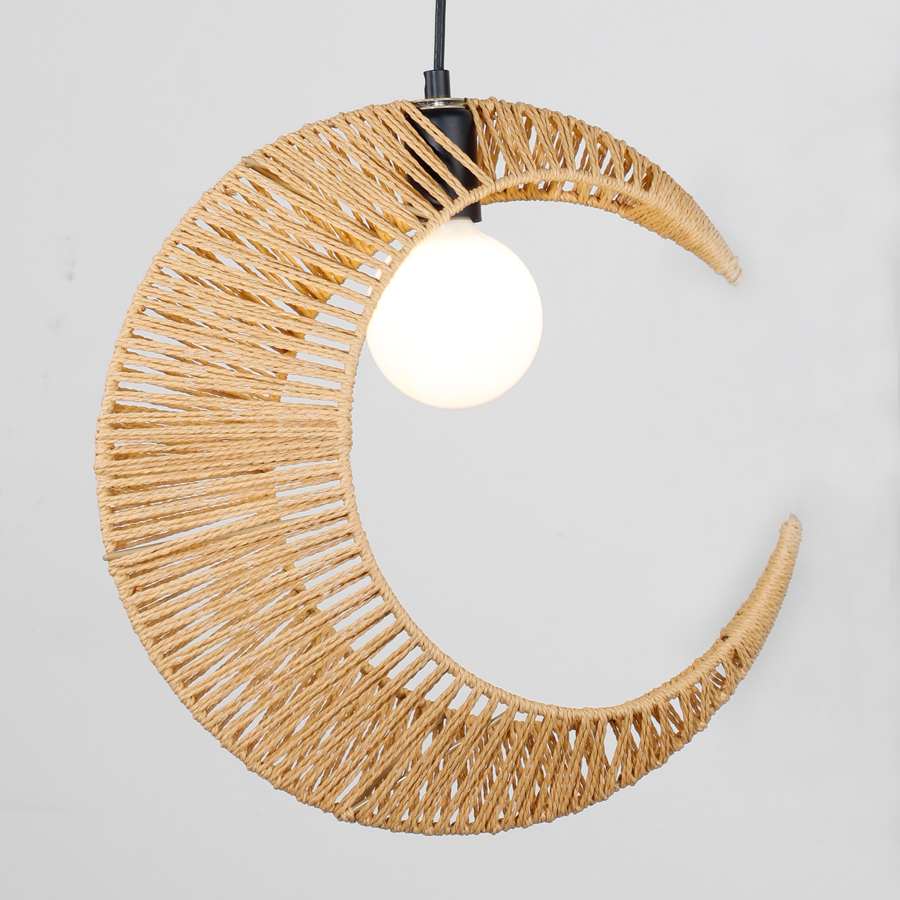
Vertical space optimization stands out as a massive architectural benefit. Dropped fixtures free up critical surface areas below. You clear off nightstands, end tables, and narrow desks easily. This proves particularly valuable in minimalist interior designs. Space-constrained modern homes benefit immensely from clear, uncluttered surfaces.
Precision task lighting transforms daily household routines. You drop the light source closer to the work surface. This reduces eye strain significantly. You improve functionality for specific visual tasks. Food preparation requires sharp visibility to prevent accidents. Reading in a cozy nook demands focused, bright illumination. Hobbies and crafts benefit from localized light pools.
Customizable dispersion offers unmatched design control. Fixed ceiling lights project broad, scattered beams across a room. Adjustable suspension lengths change the game entirely. You precisely control the diameter of the light pool. You manage the light intensity directly on the surface. Lowering the fixture tightens the beam. Raising it softens the overall spread.
Energy efficiency improves through intelligent environmental zoning. Localized illumination saves power on a daily basis. Users light specific zones actively in use. You avoid powering a full grid of overhead lights simultaneously. We highly recommend placing Pendant Lighting on separate electrical circuits. This allows independent control over different room zones.
You must match fixture types to your specific spatial needs. Form must always follow function in lighting design. Linear and multi-light configurations work beautifully for long areas. They suit elongated surfaces perfectly. Kitchen islands need these wide fixtures. Rectangular dining tables demand consistent light spread. You eliminate frustrating dark spots entirely.
Large-scale statement singles serve a different dramatic purpose. Designers use them heavily in entryways and grand stairwells. Round dining tables benefit from their centered weight too. A single, heavy visual anchor commands immediate attention. It grounds the entire space successfully.
Mini-pendants and low-profile drops offer delicate aesthetic touches. Evaluate them primarily for narrow bedside flanking. Bathroom vanity mirrors utilize them for flattering face lighting. You can cluster them at staggered heights playfully. They create dynamic, glowing art pieces in dark reading corners.
Material choices dictate the final lighting output. The shade material determines light dispersion patterns. You must align the material with the intended function. Consider this material dispersion guide before buying:
Material Light Dispersion Chart
Material Type | Examples | Dispersion Effect | Best Application |
|---|---|---|---|
Opaque | Metal, Concrete, Wood | Forces light strictly downward. Blocks horizontal light. | High-contrast task lighting (kitchen islands, desks). |
Translucent | Frosted Glass, Alabaster | Provides a soft, 360-degree diffused ambient glow. | General ambient lighting (bathrooms, hallways). |
Transparent | Clear Glass, Seeded Glass | Allows maximum lumen output. Casts minimal shadows. | Decorative focal points showing Edison-style bulbs. |
Textured/Fabric | Linen, Rattan, Woven | Filters light warmly. Casts decorative textured shadows. | Soft mood lighting (bedrooms, living room corners). |
Scale and proportion formulas prevent expensive design mistakes. We utilize industry-standard math here. Add your room length and width in feet. Use that total number directly as inches. This determines your ideal central fixture diameter. A 10-foot by 12-foot room needs a 22-inch fixture. You prevent undersized or visually overwhelming selections.
The "Rule of Three" competes frequently against continuous spacing. Determining the exact number of fixtures matters. Divide your surface length strategically. Ensure 24 to 30 inches of space between each fixture. This spacing avoids visual clutter above an island. Odd numbers generally look more appealing to the human eye. However, massive modern islands easily accommodate four or five smaller drops.
Technical specifications require close, careful attention. Evaluate bulb compatibility first. Compare integrated LED arrays to standard threaded sockets. Calculate lumen output requirements per square foot. Kitchens require roughly 50 to 75 lumens per square foot. Assess the Color Rendering Index (CRI). High CRI (90+) ensures accurate color representation. It makes room finishes and food look natural.
Dimming capabilities and smart integrations add immense daily value. Assess the absolute necessity of dimmable LED drivers. Compatible wall switches are completely non-negotiable. You transition Pendant Lighting easily from bright daytime task lighting. It becomes soft evening ambient lighting instantly. This versatility maximizes your investment.
Height clearances introduce the dangerous "glare factor." The standard baseline remains straightforward. Hang fixtures 30 to 36 inches above a countertop. Failing to adjust this baseline creates major problems. Primary users might face direct bulb glare daily. Obstructed sightlines ruin the open-concept feel completely.
Ceiling pitch and hardware constraints limit your suspension options. Identify sloped-ceiling adapters early in the planning phase. Check flexible cord or chain suspensions. Compare them against rigid downrods. Downrods do not always articulate well on vaulted ceilings. Cords naturally hang straight regardless of the ceiling angle.
Wiring and structural loads pose serious safety challenges. Hardwiring always requires existing, functional junction boxes. Retrofitting may involve messy drywall patching. Heavy fixtures demand special attention. Concrete shades or large glass domes carry immense weight. They require reinforced ceiling joists securely tied to the framing. Standard residential electrical boxes usually support only 50 pounds safely.
Plug-in alternatives offer excellent flexibility for specific situations. Renters need low-risk options to protect their security deposits. Rapid room deployments benefit from plug-in designs. They serve as a lower-cost alternative. You avoid invasive hardwiring and electrician fees entirely. You simply drape the cord over a decorative ceiling hook.
Finish alignment ensures beautiful design harmony across the room. Map the fixture hardware carefully. Match brushed brass or matte black tones perfectly. Check existing door hinges and cabinet pulls. Look at your plumbing fixtures. Cohesive finishes anchor a modern design scheme. Mismatched metals can look disjointed if not balanced deliberately.
Site mock-ups save you from annoying return shipping fees. Designers swear by physical space testing. Follow these simple mock-up steps before buying:
Inflate balloons to match the diameter of your shortlisted fixtures.
Tie them to strings matching the intended suspension drop length.
Tape the strings to your ceiling directly above the target surface.
Step back and evaluate the visual weight from multiple room entrances.
Adjust the height and spacing until the proportions feel balanced.
Create a strict final pre-purchase checklist. Verify the maximum drop length provided by the manufacturer. High ceilings require extra-long suspension cords. Confirm warranty coverage on integrated LEDs. Ensure local electrical compliance and proper UL safety listings. We strongly recommend consulting a licensed electrician for complex multi-fixture runs.
Proper lighting elevates modern interior design immediately. Dropped fixtures merge critical task functionality effortlessly with architectural zoning. You define spaces, optimize vertical voids, and improve daily usability. Moving from aesthetic inspiration to actual installation requires rigorous attention. Focus strictly on proper scale, accurate material performance, and wiring realities.
Your next steps are clear and actionable. Measure your target surfaces today. Calculate your required lumen output based on the room's function. Finalize your hardware finishes to match your cabinetry. Mock up the sizes physically using balloons. Shortlist the best fixtures for your project and purchase with complete confidence.
A: You should typically hang them 30 to 36 inches above a countertop or dining table. Adjust this baseline height based on the primary users in the home. You want to prevent direct bulb glare and keep sightlines completely clear across the open room.
A: Add the length and width of your room in feet. Convert that total number into inches. This gives you the ideal diameter for a central fixture. For kitchen islands, subtract 12 inches from the island's width to find the maximum fixture diameter.
A: Generally, no. A single fixture works best as targeted task or accent lighting. To illuminate an entire room effectively, designers layer them with recessed cans, wall sconces, or floor lamps. This layered approach provides balanced ambient coverage.
A: Integrated LEDs offer superior energy efficiency. They allow for ultra-slim, highly modern designs. However, standard bulb sockets provide much easier maintenance. If an integrated LED module fails, you must often replace the entire fixture instead of just swapping a bulb.
A: Task lighting focuses bright, directed light onto specific work surfaces like a kitchen island. Ambient lighting provides broad, diffused illumination to elevate the room's overall baseline brightness. Your choice of shade material strictly dictates which function the fixture serves.


