
Views: 0 Author: Site Editor Publish Time: 2026-08-09 Origin: Site


Selecting the perfect lighting fixture is rarely just an aesthetic decision. You must carefully balance strict spatial constraints, existing electrical infrastructure, and localized functional needs. Sometimes you need highly focused task lighting for reading. Other times, you just want a soft ambient glow to warm up a hallway. We must move beyond generic style guides to build a concrete evaluation framework. You will learn how to analyze installation realities, structural limits, and strict compliance standards. For example, wet zones in bathrooms demand specific technical ratings. We will also explore specific room use-cases to ensure practical usability every single day.
This guide shows you how to systematically shortlist lighting fixtures. You will match them perfectly to your spatial boundaries, design preferences, and physical constraints. By the end, you will know exactly how to choose Wall Lights that elevate your space safely and effectively.
Form Follows Function: Identify whether the primary need is task lighting (swing arms), accenting (picture lights), or ambient glow (flush sconces) before looking at aesthetics.
Infrastructure Dictates Choice: The availability of existing wiring dictates the choice between hardwired, plug-in, and rechargeable battery-operated fixtures.
Compliance is Non-Negotiable: Bathroom and outdoor installations require strict adherence to Ingress Protection (IP) ratings to ensure safety and longevity.
Positioning Matters: Optimal installation height (typically 1.5–1.7 meters from the floor) prevents glare and maximizes light dispersion.
Every lighting project starts with defining the core utility of the space. You must determine exactly what the light needs to accomplish before evaluating finishes or shapes. Different fixtures serve vastly different operational roles.
Flush-mounted sconces sit tightly against the vertical surface. They offer minimal protrusion. You will find them incredibly useful in high-traffic areas. They are best for hallways, narrow corridors, and ambient living room lighting. They wash the surrounding area with soft, indirect illumination.
Your primary evaluation dimension here is physical depth. You must consider ADA (Americans with Disabilities Act) clearance compliance in commercial or high-traffic residential spaces. ADA guidelines require fixtures positioned between 27 and 80 inches above the floor to protrude no more than four inches. This prevents accidental collisions. Always verify the profile depth of flush-mounted Wall Lights before finalizing your selection.
Articulating fixtures feature adjustable joints. They pull outward, pivot sideways, and angle downward. They are best for bedside reading, dedicated home offices, and kitchen task zones. You bring the light exactly where you need it.
Your evaluation dimension is mechanical durability. A swing arm offers excellent directional flexibility. However, it requires significantly stronger mounting hardware. When you pull the extended arm away from the surface, it creates leverage. This leverage places extreme stress on the backplate. Standard drywall anchors often fail here. You must secure these fixtures directly into a wooden stud or use heavy-duty toggle bolts to prevent the unit from pulling out of the drywall.
Directional fixtures control the flow of illumination along architectural planes. They are best for highlighting specific architectural features or washing expansive surfaces with light. Uplighting draws the eye upward. This technique makes low ceilings feel much taller. Downlighting pushes the focus toward the floor. This grounds a space and creates a cozy, intimate atmosphere.
Your main evaluation dimension is the beam angle. Check the manufacturer specifications carefully. Narrow beam angles create tight, dramatic columns of light. They look stunning between tall windows. Wide beam angles offer general, dispersed illumination. You want wide beams for general safety and ambient brightness.
Picture lights feature a long, horizontal hood. They extend over artwork on a curved arm. They are best for illuminating framed artwork, gallery walls, or custom shelving displays. They draw immediate attention to your focal points.
Your core evaluation dimension is thermal output. You must strictly use low-heat LED bulbs for these applications. Traditional halogen or incandescent bulbs emit significant heat and ultraviolet rays. This will quickly degrade oil paints, warp canvases, and fade precious photographs. Modern LED picture lights protect your fine art while delivering exceptional color rendering.
Once you define the function, you must face installation realities. Your current electrical infrastructure heavily restricts your choices. We classify installations into three distinct categories.
Hardwired fixtures connect directly to your home electrical mains. They hide all wiring behind the drywall.
Pros: They provide the cleanest aesthetic because there are no visible cords. You benefit from integrated switch control at the room entrance. They also add the highest long-term property value.
Implementation Risks: You typically require a licensed electrician. If you are retrofitting a room without existing junction boxes, prepare for invasive work. You will face wall channeling, drywall patching, and repainting. This process creates dust and disrupts the household.
Plug-in sconces hang on the wall but draw power from a standard electrical outlet via a dangling cord.
Pros: They offer immediate deployment. You can easily move them if you rearrange your furniture. They require absolutely no structural alterations. You just drive a few screws and plug them in.
Implementation Risks: The visible trailing cables often look cluttered. You are strictly limited by your proximity to existing wall outlets. Cord concealers can help, but they still leave a visible track running down to the baseboard.
Battery-operated fixtures rely on internal, rechargeable lithium-ion power banks.
Pros: They deliver ultimate scalability and placement freedom. They are ideal for renters who cannot drill into wiring paths. They also solve the problem of solid masonry or brick walls where chasing wires is physically impossible.
Implementation Risks: You face ongoing maintenance. You must adhere to strict charging routines. Furthermore, they generally produce a lower lumen output compared to mains-powered alternatives. They work beautifully for mood lighting but rarely suffice for intensive task work.
Installation Type | Visual Aesthetic | Placement Freedom | Electrician Required? |
|---|---|---|---|
Hardwired | Seamless, no visible cords | Low (tied to junction boxes) | Yes |
Plug-In | Visible cord trailing down | Medium (tied to outlets) | No |
Battery/Rechargeable | Seamless, no visible cords | High (place anywhere) | No |
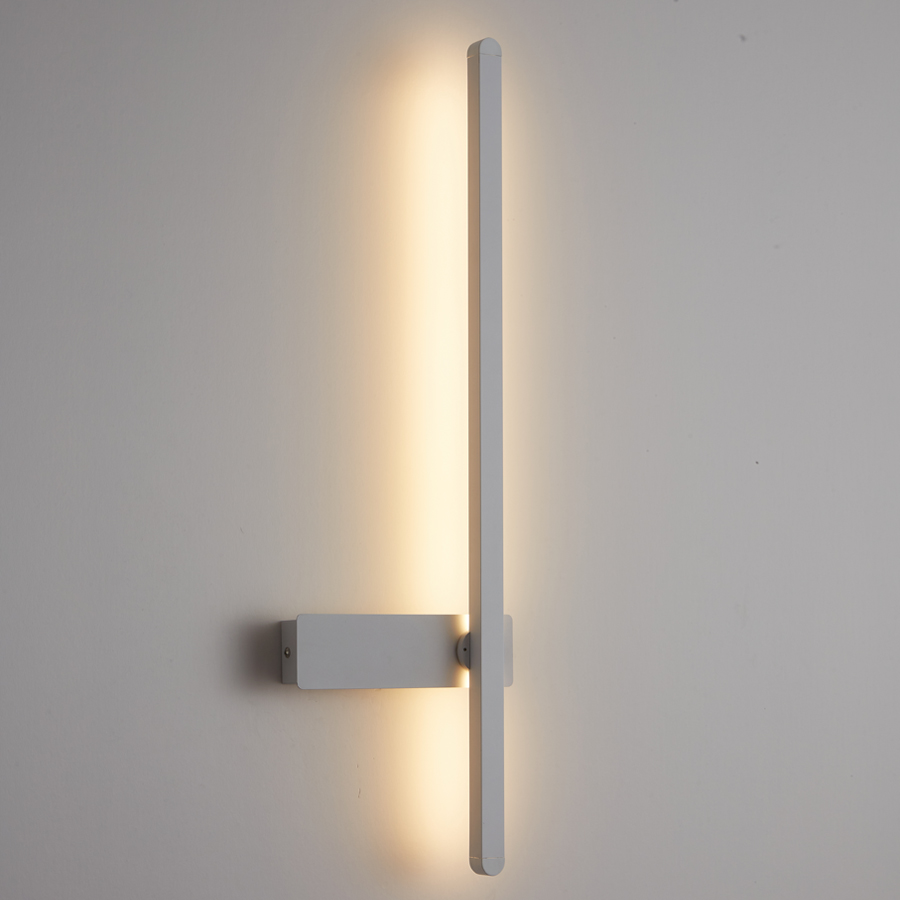
Every room presents a unique micro-environment. You cannot apply a one-size-fits-all approach. We must analyze lighting requirements based on specific daily activities and environmental hazards.
Bathrooms are high-humidity zones. Standard indoor fixtures pose a severe electrical hazard here.
Criteria: You must evaluate Ingress Protection (IP) ratings. Fixtures installed near showers or bathroom sinks fall into regulatory Zone 2. They strictly require a minimum rating of IP44. This rating ensures the fixture resists splashing water from any direction. Never compromise on this standard.
Function: Place Wall Lights symmetrically on both sides of your vanity mirror. Flanking a mirror with two fixtures eliminates harsh facial shadows far better than a single overhead recessed light. Overhead lighting casts shadows under the eyes and chin, making shaving or makeup application difficult. Sidelight provides even, flattering illumination.
The bedroom serves two conflicting purposes. It requires functional task lighting for reading and relaxing ambient lighting for sleep preparation.
Criteria: Prioritize dimmability. You need to control the output. Also, pay close attention to color temperature. Choose 2700K or warmer bulbs. Warm light supports natural circadian rhythms and stimulates melatonin production. Cool blue light disrupts your sleep cycle.
Function: If you select swing arm lights for bedside reading, test the height carefully. They must be positioned high enough to illuminate a book clearly. However, they must sit low enough that you can easily reach the switch from the mattress without straining. Consider models with built-in toggle switches on the backplate for ultimate convenience.
Transitional spaces require safe navigation without visual clutter. You move through these areas quickly.
Criteria: Profile depth is everything here. Choose low-profile or fully recessed fixtures to prevent physical obstruction in narrow thoroughfares. You want to avoid snagging coats or bumping shoulders against large glass shades.
Function: Spacing matters tremendously. Space your fixtures roughly 2.5 to 3 meters apart. This spacing provides even ambient coverage. It guides the eye down the corridor without creating aggressive, overlapping pools of bright light. Ensure stairwell fixtures do not glare directly into your eyes when ascending or descending the steps.
Do not judge a fixture purely by its external casing. The internal technical specifications determine how the light actually performs in your home. You must decode the lighting terminology before finalizing your purchase.
Historically, we evaluated bulb brightness by watts. Today, watts only measure energy consumption. You must evaluate actual brightness by lumens. More lumens equal brighter light.
For standard ambient Wall Lights, 300 to 400 lumens is generally sufficient. It provides a gentle glow. For dedicated task lighting, such as a bedside reading lamp or a kitchen workstation, look for 450 to 800 lumens. This higher output prevents eye strain during detailed tasks.
Color temperature dictates the visual warmth or coolness of the light. We measure this in Kelvin (K). The lower the number, the warmer the light.
2700K (Warm White): This emits a cozy, relaxing amber glow. It mimics traditional incandescent bulbs. Use it in living rooms, dining rooms, and bedrooms.
3000K (Soft White): This provides a crisp, neutral, and clean light. It lacks the yellow tint of 2700K but remains inviting. It is perfect for bathrooms, kitchens, and modern home offices.
4000K+ (Daylight): This emits a stark, bluish-white light. Avoid this in residential living spaces, as it feels sterile and clinical.
You must decide between built-in technology and traditional sockets. Both paths offer distinct advantages.
Integrated LED: The LED diodes are permanently built into the fixture. This allows designers to create incredibly sleek, ultra-thin profiles. They typically offer massive 25,000+ hour lifespans. However, there is a catch. If the diode eventually fails, you must replace the entire fixture.
Replaceable Bulbs (e.g., E26/GU10 sockets): These feature bulkier designs to accommodate standard bulb bases. However, they offer supreme flexibility. You can easily upgrade to smart bulbs, change color temperatures on a whim, or replace a burnt-out bulb in seconds without wiring work.
A beautiful fixture installed at the wrong height ruins the spatial harmony of a room. Follow these professional guidelines to ensure a flawless presentation.
Height placement causes the most confusion for homeowners. Install your fixtures approximately 1.5 to 1.7 meters (60 to 66 inches) from the finished floor level to the center of the backplate. This places the light roughly at eye level for an average adult. This specific height ensures the bare bulb remains concealed behind the shade from direct sightlines. It prevents aggressive glare from blinding you as you walk past.
Give your fixtures breathing room. Keep a minimum clearance of 15 centimeters (about 6 inches) from vertical obstacles like door frames, heavy drapery, or window architraves. Installing a sconce too close to a door frame creates a cramped, poorly planned visual appearance. It also creates harsh, distorted shadows against the molding.
Lighting layers require independent control. For hardwired setups, ensure your sconces sit on a completely separate circuit and switch from your main overhead lighting. You want the ability to turn off the bright overhead cans while keeping the wall perimeter softly illuminated. Tying them to the same switch defeats the purpose of layered lighting design. Always install compatible dimmer switches to maximize your atmospheric control.
Finalizing the right lighting fixture requires methodical planning. You start by mapping your specific room's function. Next, you must confirm your electrical feasibility—whether you need a hardwired retrofit, a simple plug-in, or a battery-powered solution. Finally, you match critical technical specs, such as the IP rating for wet zones and the lumen output, to your environment.
For your next steps, conduct a physical audit of your target installation walls. Check for existing wooden studs and accessible wiring. Determine your required IP compliance based on proximity to water sources. Filter your shortlist strictly by installation type first. Only after meeting these technical criteria should you make your final aesthetic selection. This disciplined approach guarantees a beautiful, safe, and highly functional lighting upgrade.
A: No. Bathroom wall lights must have a specific IP rating (typically IP44 or higher) depending on their proximity to water sources. Standard indoor lights pose an electrical hazard in wet zones.
A: For hardwired fixtures, yes. A licensed electrician is required to ensure safe connection to the mains and compliance with local building codes. Plug-in and battery-operated lights can be safely installed by homeowners.
A: As a general rule, space them 2.5 to 3 meters (8 to 10 feet) apart to create an even wash of light without overlapping glare pools.
A: Yes, for low-maintenance and slim-profile designs. However, buyers must accept that the fixture's lifespan is tied to the LED diode, unlike traditional socketed fixtures where bulbs can be swapped.


