
Views: 0 Author: Site Editor Publish Time: 2025-10-16 Origin: Site


Imagine transforming your space with lighting that's both stylish and energy-efficient. LED pendant lights offer this perfect blend. But what exactly are LED pendant lights, and why are they crucial in modern interiors? In this post, you'll learn about their benefits, including energy efficiency, design versatility, and environmental impact. Discover how these lights can enhance your home's ambiance and save costs.
LED stands for Light Emitting Diode. It's a type of lighting technology that uses a semiconductor to produce light. Unlike traditional bulbs that rely on heating a filament or using gas, LEDs create light through electroluminescence. This means when an electric current passes through the semiconductor, it excites electrons, causing them to release photons — the particles of light.
Inside an LED, a tiny chip made from semiconductor material emits light. When electricity flows through this chip, it energizes electrons. These electrons jump and release energy in the form of visible light almost instantly. Because of this direct conversion of electricity into light, LEDs are highly efficient. They don’t waste much energy as heat, unlike incandescent bulbs.
LEDs come in various colors depending on the materials used in the semiconductor. White LEDs, common in pendant lights, are made by combining blue LEDs with phosphor coatings to produce a bright, clean light.
● Energy Efficiency: LEDs use up to 80% less energy than traditional incandescent bulbs. This means lower electricity bills and less energy waste.
● Instant Brightness: LEDs light up to full brightness immediately, without warm-up time.
● Long Lifespan: LEDs can last 25,000 hours or more, far longer than other bulbs.
● Durability: LEDs are solid-state lights, making them more resistant to shock and vibration.
● Low Heat Emission: They produce minimal heat, reducing fire risks and cooling costs.
● Color and Brightness Control: LEDs offer a range of color temperatures and brightness levels, perfect for creating the right mood or task lighting.
● Environmentally Friendly: They contain no mercury or toxic materials and are easier to recycle.
These features make LED pendant lights a smart choice for homes and businesses aiming to combine style, efficiency, and sustainability.
LED pendant lights are champions of energy efficiency. They use significantly less electricity than traditional incandescent or halogen bulbs. This is because LEDs convert most of the electrical energy into light rather than heat. For example, an LED bulb might use only 10 watts to produce the same brightness a 60-watt incandescent bulb gives. This means you get the same light output while consuming far less power.
The design of LED pendant lights often includes multiple small LEDs working together, which enhances efficiency even further. They also operate well on low voltage, making them ideal for various lighting setups without wasting energy.
Because LED pendant lights consume less energy, they directly reduce your electricity bills. For households or businesses with many lights, this can add up to significant savings over time. According to energy studies, switching to LED lighting can cut lighting costs by up to 75%.
For example, if your monthly lighting cost is $50 with traditional bulbs, replacing them with LED pendants could reduce that to about $12.50. Over a year, that’s a savings of $450. These savings become even more pronounced in commercial settings where lighting runs for longer hours daily.
Beyond immediate energy savings, LED pendant lights offer long-term financial advantages. Their long lifespan means fewer replacements, reducing both the cost of bulbs and the labor involved in changing them. Traditional bulbs may need replacement every 1 to 2 years, while LEDs can last 10 years or more depending on usage.
Additionally, LEDs generate less heat, lowering cooling costs in warmer climates or seasons. This indirect saving can be substantial in spaces with many lights.
Investing in LED pendant lights also increases property value by enhancing energy efficiency and modern appeal. Plus, many regions offer rebates or incentives for installing energy-efficient lighting, further improving return on investment.
LED pendant lights stand out because they last a long time. On average, an LED bulb can shine for 25,000 to 50,000 hours. That means if you use the light for about 3 hours daily, it could last over 20 years. This lifespan is much longer than traditional incandescent bulbs, which usually last around 1,000 to 2,000 hours. Even compact fluorescent lamps (CFLs) only last about 8,000 to 10,000 hours. The extended lifespan means fewer replacements, saving you time and hassle.
LED pendant lights are built tough. Unlike incandescent or fluorescent bulbs, LEDs are solid-state devices. This means they have no fragile filaments or glass tubes inside, making them more resistant to shock, vibrations, and accidental drops. This durability suits busy homes, offices, or commercial spaces where lights might get bumped or jostled. Plus, LED lights generate very little heat, reducing the risk of damage from overheating, which is common in traditional bulbs.
Because LED pendant lights last so long and are more durable, maintenance costs drop significantly. You won't need to change bulbs as often, which saves money on replacements and labor, especially in commercial settings where changing bulbs can be costly due to height or fixture complexity. Additionally, LEDs consume less power, which reduces wear on electrical components. This means your entire lighting setup stays reliable longer, lowering overall maintenance needs.
LED pendant lights come in numerous designs and styles, making them a perfect fit for any space. Whether you prefer a sleek, modern look or a rustic, vintage vibe, there’s an LED pendant light to match. You can find minimalist shapes that blend seamlessly into contemporary rooms or ornate fixtures that serve as eye-catching centerpieces. From geometric forms to soft curves, the options are endless.
This variety allows you to select lighting that complements your interior’s character. For example, a cluster of small LED pendants can add drama above a kitchen island, while a single large pendant might become a statement piece in a dining room. Designers love LED pendants because they can enhance both function and style, making spaces feel welcoming and well-thought-out.
Customization is another strong point of LED pendant lights. Many models offer adjustable features such as height, brightness, and color temperature. You can often dim the lights to create a cozy atmosphere or brighten them for task lighting. Some LED pendants even allow color changes, cycling through warm and cool tones to suit different moods or times of day.
Materials and finishes are also customizable. You might choose metal, glass, wood, or fabric shades in various colors and textures. This flexibility lets you tailor your lighting to your personal taste or brand identity in commercial settings. Custom LED pendant lights can be designed to fit unique spaces, ensuring you don’t have to compromise on style or performance.
LED pendant lights easily adapt to many decor styles, making them a versatile choice for any room. In modern interiors, their clean lines and energy-efficient technology align perfectly with minimalist principles. For industrial spaces, metal or exposed bulb LED pendants add an edgy, urban feel. In traditional or classic rooms, you can find LED pendants with elegant shapes and warm finishes that complement antique furniture or rich textures.
They also work well in eclectic spaces, where mixing styles creates a unique, personalized environment. Because LED pendant lights come in various sizes and intensities, you can layer lighting in a room to highlight architectural features or create focal points. This adaptability means you can refresh your lighting without a full redesign, simply by switching or repositioning pendants.
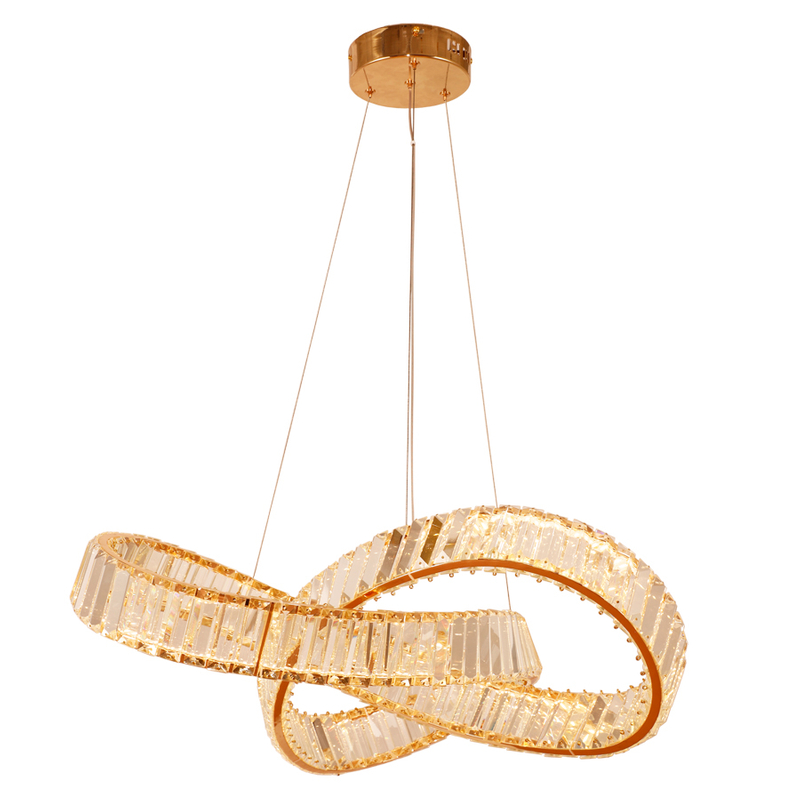
LED pendant lights offer a wide range of color temperatures to suit different moods and purposes. Color temperature is measured in Kelvins (K) and ranges from warm to cool tones. Warm white light (2700K–3000K) creates a cozy, inviting atmosphere, perfect for living rooms and dining areas. Neutral white (3500K–4100K) provides a balanced, natural light ideal for kitchens and workspaces. Cool white or daylight (5000K–6500K) emits a bright, crisp light that enhances focus, making it suitable for offices or task lighting.
Choosing the right color temperature can dramatically affect how a space feels. For example, warm tones soften the ambiance, encouraging relaxation, while cooler tones boost alertness and productivity. Many LED pendant lights allow you to select or adjust color temperature, giving you flexibility to tailor lighting to your needs.
LED pendant lights deliver excellent brightness and clarity thanks to their efficient light-emitting diodes. They produce high lumen output relative to their energy consumption, ensuring rooms are well-lit without wasting electricity. Unlike some traditional bulbs, LEDs provide consistent brightness without flickering, which reduces eye strain and enhances comfort.
The clarity of LED light also means colors appear more vibrant and true-to-life. This is especially important in areas like kitchens or studios where accurate color perception matters. Moreover, many LED pendants come with dimmable features, allowing you to adjust brightness levels easily. This adaptability helps create the perfect lighting for different activities, from bright task lighting to soft ambient glow.
Lighting shapes the ambiance of any room, and LED pendant lights excel in this role. Their ability to offer various color temperatures and brightness levels means you can create diverse atmospheres. Warm, dimmed LED pendants foster a relaxed, intimate setting ideal for dining or unwinding. Bright, cool-toned LEDs energize spaces, enhancing focus and alertness for work or study.
Beyond light quality, the design of LED pendants influences ambiance too. Sleek, modern fixtures add sophistication and minimalism, while ornate or rustic styles bring character and warmth. Layering LED pendant lights with other lighting sources, like recessed or accent lights, further enriches the room's mood and depth.
In summary, LED pendant lights provide superior control over light quality, allowing you to craft the ideal ambiance for any space. Their versatility in color temperature, brightness, and style makes them a powerful tool in interior lighting design.
LED pendant lights play a big role in cutting down carbon footprints. Because they use much less energy than traditional bulbs, they help reduce greenhouse gas emissions from power plants. For example, switching to LEDs can lower energy consumption by up to 80%, which means fewer fossil fuels burned to generate electricity. This reduction helps fight climate change and supports cleaner air.
Unlike some older lighting technologies, LED pendant lights don’t contain harmful substances like mercury. This makes them safer for homes and workplaces. If a bulb breaks, it won’t release toxic chemicals, so cleanup is easier and less risky. Also, LEDs produce very little heat, reducing fire hazards and making them safer to use around children and pets.
LEDs are easier to recycle than many traditional bulbs. Their components—such as metals and semiconductors—can be recovered and reused. This reduces waste going to landfills and lowers the demand for raw materials. Proper recycling of LED lights supports a circular economy, where resources are reused instead of discarded, helping protect the environment further.
Tip: When disposing of LED pendant lights, choose recycling programs that accept electronic waste to maximize environmental benefits and reduce landfill impact.
Before picking LED pendant lights, consider your space carefully. Think about the room’s size, ceiling height, and the purpose of the lighting. For example, a small kitchen island may need a cluster of mini pendants for focused task lighting. In contrast, a large dining room might benefit from a single, statement pendant that provides ambient light.
Measure the area to ensure the pendant’s size fits well. Too large a fixture can overwhelm a small room, while too small one might not provide enough light. Also, consider how the light will be used: is it for general illumination, accent lighting, or task lighting? This helps determine brightness and style.
Next, check the compatibility of the LED pendant lights with your existing electrical setup. Ensure the fixtures support LED bulbs and confirm voltage requirements. Many LED pendants work with dimmer switches, which let you adjust brightness for different moods or activities. If you want smart home integration, look for models compatible with voice control or smartphone apps.
Other features to consider include adjustable height for better placement, color temperature options to match your room’s ambiance, and energy ratings to verify efficiency. Some LED pendants come with replaceable bulbs, while others have integrated LEDs. Choose according to your preference for maintenance and long-term use.
When selecting LED pendant lights, quality matters. Choose reputable brands known for durability and reliable performance. Check for certifications like ENERGY STAR, which indicate energy efficiency and safety standards.
Read customer reviews to learn about real-world performance and potential issues. Look for warranties, which provide protection and peace of mind.
Consider the material and finish of the fixture. High-quality materials like metal or glass tend to last longer and resist wear better than cheaper plastics.
Finally, don’t hesitate to ask lighting experts or visit showrooms to see the lights in action. This helps you gauge the light quality and style before buying.
LED pendant lights offer significant advantages, including energy efficiency, long lifespan, and design versatility. They provide superior lighting quality while being environmentally friendly. By choosing LED pendant lights, you enjoy reduced energy costs and maintenance, enhancing both residential and commercial spaces. Consider making the switch to LED pendant lights for their numerous benefits. For top-quality options, explore Maystar Lighting, which offers innovative lighting solutions that combine style and functionality, ensuring you receive exceptional value and performance.
A: An LED Pendant Light is a hanging light fixture using LED technology, providing energy-efficient and long-lasting illumination for various spaces.
A: LED Pendant Lights use significantly less energy than traditional bulbs, reducing electricity consumption and lowering bills by up to 75%.
A: LED Pendant Lights offer benefits like energy efficiency, longer lifespan, durability, and customizable design options.
A: LED Pendant Lights come in various styles and offer customization in color, brightness, and materials, fitting different decor styles.


