
Views: 0 Author: Site Editor Publish Time: 2026-01-29 Origin: Site


Pendant lights are more than just lighting fixtures. Have you ever wondered how a simple light can transform a room?
In this article, we will explore the many benefits of pendant lights. From enhancing functionality to adding aesthetic appeal, pendant lights offer versatile solutions for any space.
You will learn how pendant lights can optimize your space, improve ambiance, and elevate your room’s design.
Pendant lights are particularly effective for task lighting, as they provide focused illumination exactly where it is needed. Unlike general overhead lighting, pendant lights direct their glow downward, making them ideal for specific activities such as cooking, reading, or working at a desk. This focused approach reduces shadows and minimizes eye strain, enhancing visibility and precision in tasks that require attention to detail.
For example:
● Kitchen islands: Pendant lights eliminate shadows while preparing food, allowing for a clearer view of your work area.
● Reading corners: A pendant light offers direct, bright light, making reading easier and more comfortable.
Pendant lights help optimize space, especially in smaller rooms where floor space is at a premium. By hanging from the ceiling, pendant lights free up valuable surface areas that would otherwise be occupied by floor or table lamps. This makes them an ideal choice for minimalist designs or compact spaces.
Benefits | Description |
Compact rooms | Pendant lights eliminate the need for bulky lamps, making the room feel more spacious. |
Visual openness | Ceiling-mounted design enhances the feeling of openness by not cluttering surfaces. |
Many pendant lights come with adjustable cords or rods, allowing you to change the hanging height based on the room size or specific lighting needs. This versatility allows you to tailor the lighting to suit different spaces, ensuring both functionality and aesthetic appeal.
Examples of adjustments:
● Lower heights: Ideal for focused task lighting in kitchens or workspaces.
● Higher heights: Suitable for larger rooms where ambient lighting is required, offering a broader light coverage without blocking sightlines.
When equipped with LED bulbs, pendant lights become an energy-efficient lighting option. LEDs consume less electricity compared to traditional bulbs and last significantly longer, reducing the need for frequent replacements. The extended lifespan and lower energy consumption of LED pendant lights contribute to both cost savings and environmental benefits.
LED Benefits | Description |
Energy savings | LEDs use less power, which lowers energy bills over time. |
Long lifespan | The longevity of LED bulbs reduces waste and the frequency of bulb replacements. |
Pendant lights serve as striking design elements that can transform a room’s aesthetic. With various styles, materials, and sizes, they can complement any interior design. Whether opting for sleek glass, industrial metal, or natural woven fabrics, each material offers a unique visual impact.
Material | Visual Appeal |
Glass | Provides a modern, polished look with light scattering for a bright atmosphere. |
Metal | Evokes an industrial or minimalist vibe with clean, sharp aesthetics. |
Fabric & Woven | Creates a softer, more organic ambiance, ideal for rustic or coastal designs. |
In open-plan living areas, pendant lights help define functional zones without physical barriers. By placing pendant lights strategically, different spaces like dining, kitchen, or reading areas can be visually separated, enhancing both functionality and design cohesion.
For example:
● Kitchen islands: Pendant lights visually separate the kitchen from the living area.
● Dining areas: A pendant light over the dining table defines the space and adds a functional touch.
Pendant lights significantly influence the ambiance of a room. Their design allows for customizable lighting effects that can set the mood based on room function and style.
● Soft, warm lighting: Ideal for creating a cozy and relaxing atmosphere in spaces like living rooms or bedrooms.
● Bright, cool lighting: Perfect for task-oriented areas such as kitchens or offices, helping to reduce eye strain and enhance productivity.
Pendant lights can alter the perceived size of a room, making it feel more expansive or intimate. By drawing the eye upward, pendant lights create a sense of openness, especially in rooms with high ceilings. This upward focus makes the room feel airier and more spacious.
Room Type | Impact of Pendant Lighting |
High Ceilings | Makes the space feel larger by drawing attention upward. |
Small Rooms | Creates balance and intimacy, softening the space's vastness. |
Pendant lights offer a practical and stylish solution for freeing up valuable surface space, especially in smaller rooms or minimalist designs. By being suspended from the ceiling, they eliminate the need for bulky floor or table lamps, which tend to occupy space and contribute to a cluttered appearance. This ceiling-mounted design not only helps maximize usable space but also maintains an organized and clean aesthetic that enhances the overall look of the room.
In smaller rooms, where every inch counts, pendant lights are an ideal choice to optimize the layout. For example:
● Small Bedrooms: By placing pendant lights on either side of the bed, you can replace bulky table lamps. This opens up the nightstands, leaving more space for essentials like books or clocks while reducing clutter.
● Compact Kitchens: Pendant lights installed above counters or kitchen islands focus light directly on work areas, eliminating the need for larger, more intrusive lighting fixtures. This allows countertops to remain clear, enhancing both the functionality and the visual appeal of the kitchen.
This method of de-cluttering surfaces not only frees up physical space but also creates a more streamlined and spacious environment, making rooms feel more open and less crowded. By maximizing vertical space, pendant lights allow you to maintain clean lines and an aesthetically pleasing atmosphere while optimizing your available floor area.
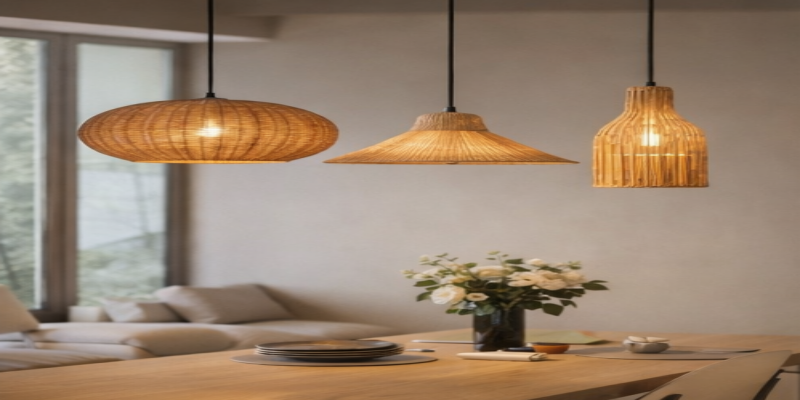
When strategically placed, pendant lights can enhance the flow and symmetry of a room, contributing to a harmonious and well-balanced design. Their ability to draw attention to key areas, such as dining tables, kitchen islands, or reading corners, creates visual anchors and ensures the space feels cohesive. By providing focal points that guide the eye, pendant lights help define zones within open-plan spaces, effectively connecting different functional areas without the need for physical barriers.
For example:
● Living Rooms: A row of pendant lights placed above the seating area can visually anchor the space. This layout balances the room and ensures the seating arrangement feels centered without overwhelming the overall design.
● Dining Areas: A centrally located pendant light above the dining table brings balance to the room, focusing attention on the table and creating a sense of order. The pendant light also visually delineates the dining zone from the rest of the open space, enhancing both the functionality and the aesthetics of the area.
One of the greatest advantages of pendant lighting is its ability to fit seamlessly into a variety of interior styles. With an extensive selection of designs, materials, and sizes, pendant lights can be customized to match any décor, from sleek, modern settings to warm, rustic interiors. This versatility allows homeowners to find the perfect lighting solution that not only provides functional illumination but also complements the aesthetic of their space.
● Modern Interiors: Sleek metal, glass, or minimalist designs work well in contemporary rooms, enhancing the clean lines and simple sophistication of modern spaces.
● Rustic and Natural Themes: Woven materials such as rattan, bamboo, or fabric pendants add texture and warmth, making them a perfect match for country, cottage, or boho styles.
● Industrial Design: Metal and exposed bulb pendant lights can add a raw, edgy feel that complements industrial themes, providing both light and character to the space.
With so many options available, pendant lighting becomes an essential design element, offering a blend of practicality and style that adapts to the homeowner’s specific tastes and interior needs.
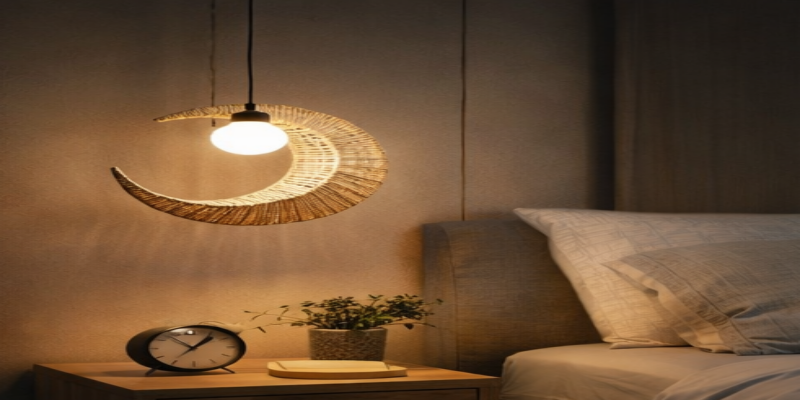
Pendant lights are incredibly effective in setting the atmosphere of a room. By choosing the right style, material, and light temperature, they can transform the mood of a space from cozy and intimate to bright and energizing. Adjusting the placement or clustering of pendants can further amplify their impact, allowing for personalized ambiance tailored to each room’s function.
● Soft, Warm Light: Ideal for creating a relaxing, cozy environment in living rooms, bedrooms, or dining areas. Pendant lights with frosted glass or fabric shades can diffuse light gently, providing a warm glow that enhances comfort.
● Bright, Cool Light: Perfect for task-oriented spaces like kitchens or home offices, pendant lights with clear glass or metal shades can offer sharp, focused light to support activities such as cooking or working.
● Clustering Pendants: Grouping several pendant lights together can create a stunning visual effect, drawing the eye and adding dynamic interest to the room.
● Adjustable Heights: Customizing the height of pendant lights helps you control the lighting intensity, ensuring it aligns with the space's function. Hanging pendants lower can focus light on specific areas, while higher placements offer more ambient illumination.
LED technology is one of the most energy-efficient lighting options available today, and when used in pendant fixtures, it offers both environmental and financial benefits. Unlike traditional incandescent or fluorescent bulbs, LED bulbs consume far less energy while providing the same level of brightness. This energy efficiency translates into reduced electricity usage, lowering overall energy bills.
● Reduced Power Consumption: LED bulbs use up to 80% less energy than incandescent bulbs, making them a smart choice for pendant lighting installations that are used frequently.
● Cost Savings: The lower energy consumption of LEDs reduces electricity costs over time, which is particularly beneficial in homes or businesses that rely on pendant lights for long periods each day.
By switching to LED pendant lights, homeowners and businesses can contribute to a more sustainable environment while enjoying long-term savings on energy bills.
In addition to their energy efficiency, LED pendant lights are known for their impressive longevity. LED bulbs typically last up to 50,000 hours, far outlasting traditional bulbs, which need frequent replacements. This durability reduces waste, as fewer bulbs are discarded over time.
Lighting Type | Average Lifespan | Environmental Impact |
Incandescent | 1,000 hours | High energy consumption, frequent replacements. |
LED | 50,000 hours | Low energy consumption, fewer replacements. |
Pendant lights offer numerous benefits, from enhancing functionality and aesthetics to optimizing space and improving energy efficiency. These versatile fixtures are essential in modern lighting design, providing both practical illumination and aesthetic appeal. Zhongshan Maystar Lighting Co., Ltd. offers a wide range of pendant lights that combine high-quality craftsmanship with energy-saving features, making them an excellent choice for any space.
A: Pendant lights provide focused lighting in areas like workstations, kitchens, and assembly lines, improving visibility and task efficiency. They are essential in spaces requiring precise illumination.
A: Pendant lights are ideal for spaces where overhead lighting needs to be directed, such as above work tables or machinery. Their adjustable height makes them versatile for different task areas.
A: While the initial installation of pendant lights can be higher than traditional fixtures, they offer long-term energy savings and reduced maintenance costs, especially with LED options.
A: Pendant lights with LED bulbs consume significantly less energy compared to incandescent lighting, offering long-term cost savings and supporting sustainability efforts in business operations.
A: Pendant lights require proper height adjustment and placement to avoid visual obstruction and ensure effective lighting. Incorrect placement can lead to uneven illumination in larger spaces.


